
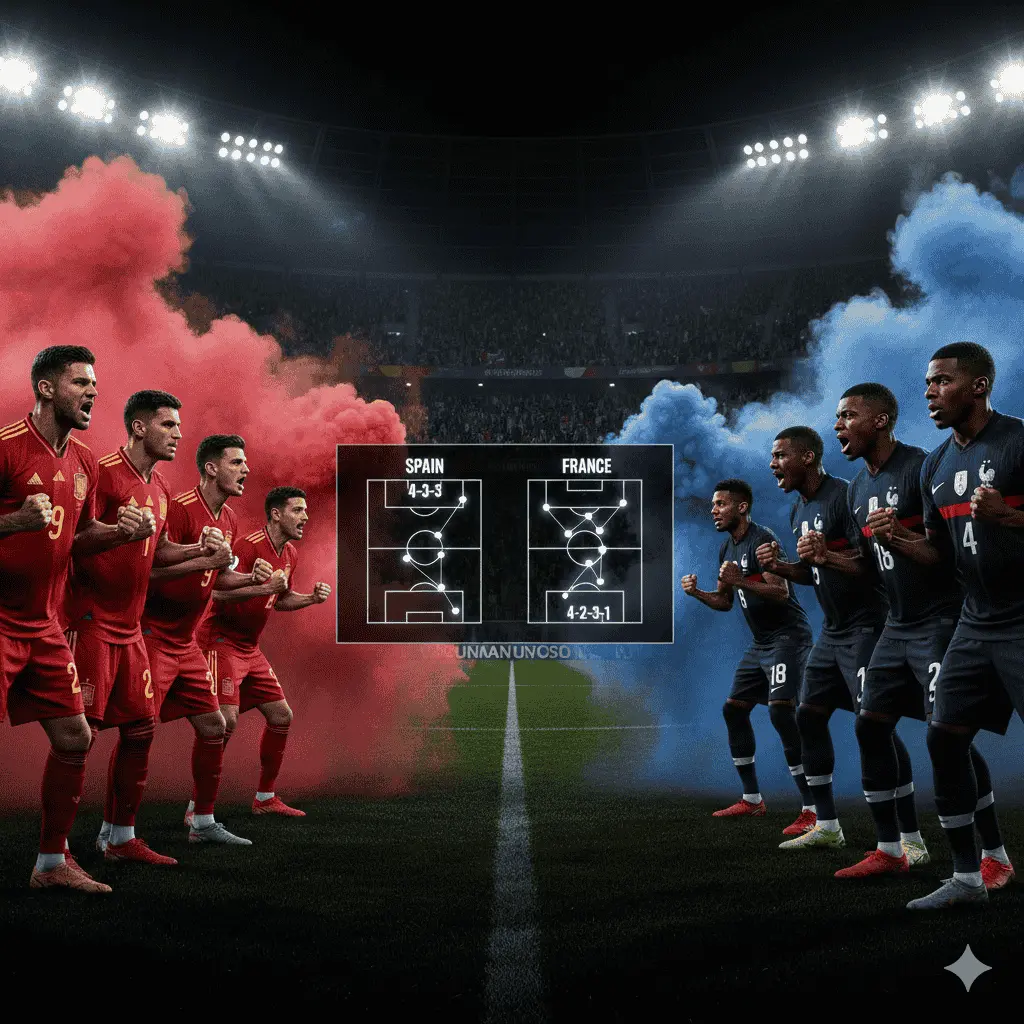
The clash between Spain and France represents one of European football's most prestigious encounters. These two footballing powerhouses consistently deliver thrilling spectacles, making the spain national football team vs france national football team lineups a focal point for millions of fans worldwide who eagerly anticipate how these tactical masterminds will approach their battles.
The Prestige of Spain vs France Encounters
Spain and France share a storied rivalry spanning decades of competitive football. Both nations boast World Cup victories, European Championship triumphs, and a tradition of producing exceptional talent. When examining spain football team vs france football team lineups, observers witness the culmination of distinct footballing philosophies—Spain's possession-based artistry versus France's athleticism and directness create fascinating tactical contrasts.
Spain's Tiki-Taka Evolution and Modern Adaptations
Spanish football revolutionized the global game with tiki-taka, emphasizing short passing, positional rotation, and territorial dominance. While modern Spain has evolved beyond pure tiki-taka, the foundational principles remain evident in their spain national football team vs france national football team lineups.
Defensive Structure and Ball Progression
Spain typically deploys a 4-3-3 formation, though variations like 4-2-3-1 appear depending on opponent analysis. Spanish defenders are selected for technical proficiency and composure under pressure. Center-backs must excel in build-up play, often splitting wide to create numerical superiority against pressing opponents. Full-backs provide width and attacking thrust while maintaining defensive responsibilities.
Midfield Mastery
The Spanish midfield represents the team's heartbeat. Central midfielders control tempo through intelligent positioning, quick combination play, and exceptional spatial awareness. Spain's midfield maestros circulate possession methodically, probing defensive structures for weaknesses while maintaining defensive balance. Their ability to retain the ball frustrates opponents and dictates match rhythm.
Attacking Fluidity
Spanish forwards showcase technical excellence and positional flexibility. Wingers cut inside to create shooting angles while full-backs overlap to maintain width. The central striker often drops deep, linking play and creating space for advancing midfielders. This fluid movement generates numerical advantages in attacking zones, overwhelming static defensive systems.
France's Physical Power and Counter-Attacking Excellence
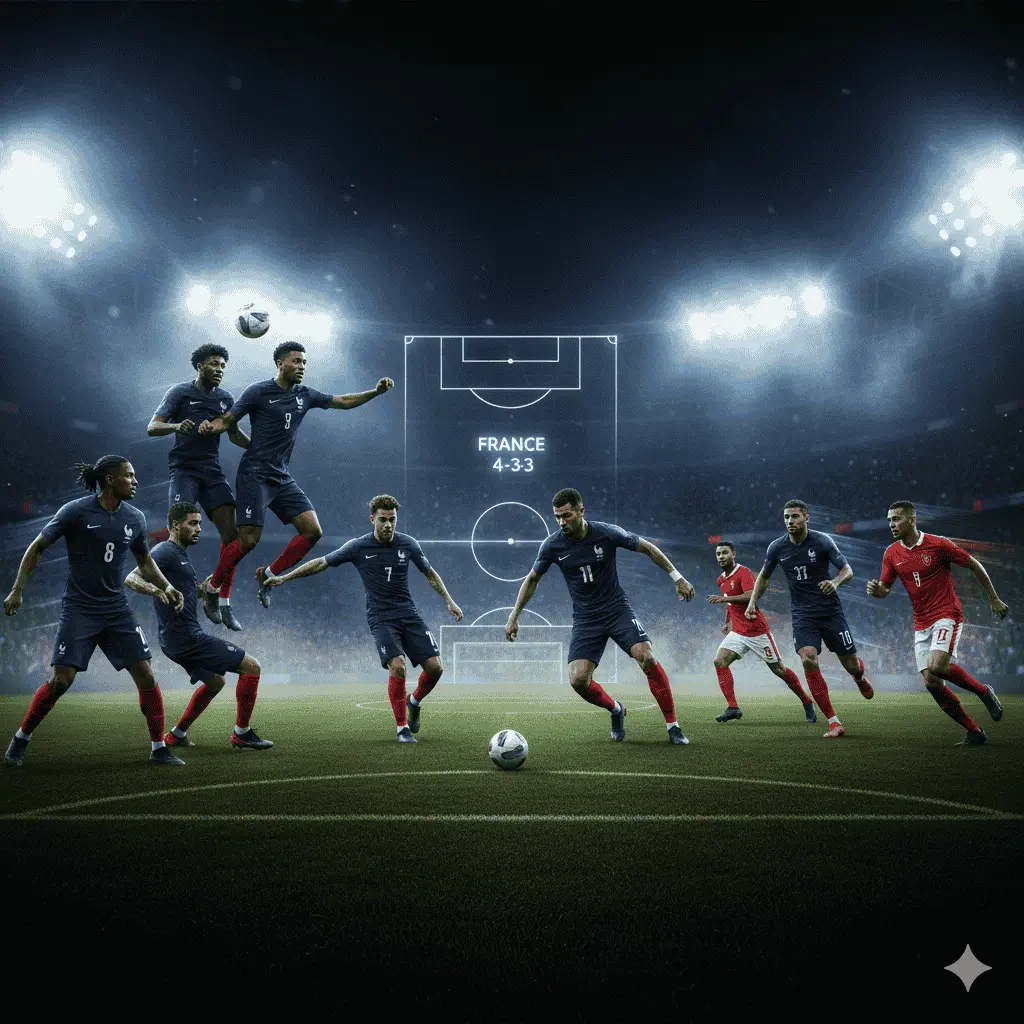
When analyzing spain national football team vs france national football team lineups, France's approach typically contrasts sharply with Spanish methodology. Les Bleus combine physical dominance with explosive pace, creating a formidable tactical package.
Defensive Organization
French defensive setups prioritize solidity and transition readiness. Center-backs blend physical presence with technical ability, comfortable defending space and engaging in duels. French full-backs often possess remarkable athleticism, capable of shutting down wide threats while launching attacks. The defensive unit maintains compact shapes, limiting space for technical opponents.
Midfield Dynamism
France's midfield typically features box-to-box players who cover vast distances, winning duels and transitioning play efficiently. They excel at disrupting opposition possession while providing both defensive cover and attacking support. French midfielders combine work rate with technical quality, creating a balanced engine room capable of adapting to various match scenarios.
Attacking Arsenal
French forward lines consistently feature world-class talent blessed with exceptional pace and clinical finishing. Wingers exploit spaces behind defensive lines with devastating speed, while strikers combine physical presence with technical refinement. France's attacking players thrive in transition, converting defensive turnovers into goal-scoring opportunities with frightening efficiency.
Historical Meetings and Tactical Lessons
Previous encounters inform current spain football team vs france football team lineups. The 2012 European Championship quarter-final saw Spain's possession dominance overwhelm France. Conversely, recent Nations League meetings showcased France's counter-attacking prowess. Managers study these precedents, adapting strategies to exploit weaknesses and neutralize strengths.
Key Individual Matchups
Specific duels within spain football team vs france football team lineups often determine outcomes. Spanish playmakers must evade French pressing, while French forwards test Spanish defensive positioning. Midfield battles dictate territorial control, with each team seeking to impose their preferred tempo. These individual contests create compelling narratives within the broader tactical framework.
Squad Selection Considerations
Modern international football demands strategic squad management. When finalizing spain national football team vs france national football team lineups, managers consider multiple factors: recent form, fitness levels, tactical matchups, and psychological readiness. Injuries necessitate adjustments, creating opportunities for squad players to demonstrate their capabilities on football's grandest stages.
Set-Piece Strategies
Both nations recognize set-pieces as crucial goal-scoring avenues. Spain's technical players deliver precise crosses and execute rehearsed routines, while France's physical presence creates aerial dominance. Defensive organization during opposition set-pieces proves equally important, with both teams employing zonal or man-marking systems based on opponent analysis.
The Role of Match Context
Competition stakes influence spain national team vs france national team lineups significantly. World Cup knockout stages might favor experienced campaigners, while qualification matches provide experimental opportunities. Managers balance immediate result requirements with long-term squad development, making selection decisions that serve multiple objectives.
Tactical Flexibility During Matches
Pre-match lineups represent starting points rather than fixed blueprints. Both Spain and France demonstrate tactical flexibility, adjusting formations and player roles based on match flow. Substitutions introduce fresh dynamics, altering momentum and exploiting tired defenders. Managers who effectively read games and make timely adjustments gain crucial advantages.
Youth Development and Future Stars
Both nations invest heavily in youth development, ensuring continuous talent pipelines. Emerging players occasionally feature in spain national football team vs france national football team lineups, gaining invaluable experience against elite opposition. These opportunities accelerate development, preparing future generations to maintain their nations' footballing excellence.
Psychological Warfare and Mental Preparation
Beyond physical preparation, psychological factors influence performance. Experienced players provide leadership during pressure moments, while confidence and self-belief enable players to execute under scrutiny. Mental preparation ensures players remain focused, disciplined, and ready to seize decisive moments.
Media Scrutiny and Public Expectations
When spain football team vs france football team lineups are announced, intense media analysis follows. Pundits debate selection decisions, predict tactical approaches, and identify potential weaknesses. This scrutiny reflects both nations' passionate football cultures and the high expectations surrounding their national teams.
Training Camp Preparations
Teams finalize their spain national football team vs france national football team lineups following extensive preparation camps. Coaching staffs conduct opposition analysis, implement tactical plans, and assess player readiness. Training sessions replicate match scenarios, ensuring players understand their roles and execute strategies effectively.
The Impact of Home Advantage
Venue location influences tactical approaches and lineup selections. Home teams often adopt more aggressive strategies, leveraging crowd support, while away teams might prioritize defensive solidity. Neutral venues create balanced conditions, allowing both managers to implement their preferred systems without environmental disadvantages.
Coaching Philosophy Influence
Managerial philosophy fundamentally shapes spain national football team vs france national football team lineups. Possession-oriented coaches select technically gifted players, while pragmatic managers might prioritize physical attributes. These philosophical differences create stylistic contrasts that define Spain-France encounters.
The Substitutes' Bench Quality
Both nations possess exceptional squad depth, providing managers with quality alternatives. Late substitutions can decisively impact tight matches, introducing different qualities and exploiting opposition fatigue. The ability to change tactical approaches through substitutions represents a significant competitive advantage in elite international football.
Conclusion
The spain football team vs france football team lineups embody contrasting footballing philosophies, tactical sophistication, and exceptional individual quality. These encounters showcase technical mastery versus physical power, possession dominance versus clinical efficiency, and systematic build-up versus explosive transitions. Understanding lineup compositions enhances appreciation for the tactical nuances and strategic thinking that define this prestigious European rivalry. When these nations meet, football fans witness world-class talent executing sophisticated game plans, creating memorable moments that enrich football's global tapestry.
Frequently Asked Questions
Q1: What tactical formation does Spain prefer against France? Spain typically employs a 4-3-3 formation against France, emphasizing possession control through midfield superiority. This setup enables Spain to dominate territorial control while maintaining defensive balance. The formation allows technical players to express creativity while preventing France from exploiting counter-attacking opportunities through superior numbers.
Q2: How does France counter Spain's possession-based approach? France counters Spanish possession through compact defensive organization and explosive transitions. Les Bleus maintain disciplined shapes, limiting passing lanes and forcing turnovers in advantageous positions. When regaining possession, France's athletic forwards launch rapid counter-attacks, exploiting spaces behind Spain's advanced defensive line with devastating pace and precision.
Q3: Who are the game-changers in Spain vs France lineups? Spanish playmakers controlling midfield tempo and French forwards possessing explosive pace typically emerge as game-changers. Both teams feature world-class talent capable of individual brilliance. Experienced captains provide leadership, while creative midfielders unlock defenses through vision and technical excellence, making their presence decisive in closely contested encounters.
Q4: How important is possession control in Spain vs France matches? Possession control proves crucial but not determinative in these matchups. Spain seeks territorial dominance to control match tempo and limit French counter-attacks. However, France demonstrates that clinical finishing from limited opportunities can overcome possession disadvantages. The team effectively converting chances rather than merely controlling possession often prevails.
Q5: When do managers typically finalize their starting lineups? Managers finalize spain national football team vs france national football team lineups approximately 24-48 hours before kickoff, following final training sessions and fitness assessments. Official announcements occur one hour pre-match per regulations. However, tactical plans develop throughout preparation camps, with selections based on comprehensive opponent analysis and player readiness evaluations.