
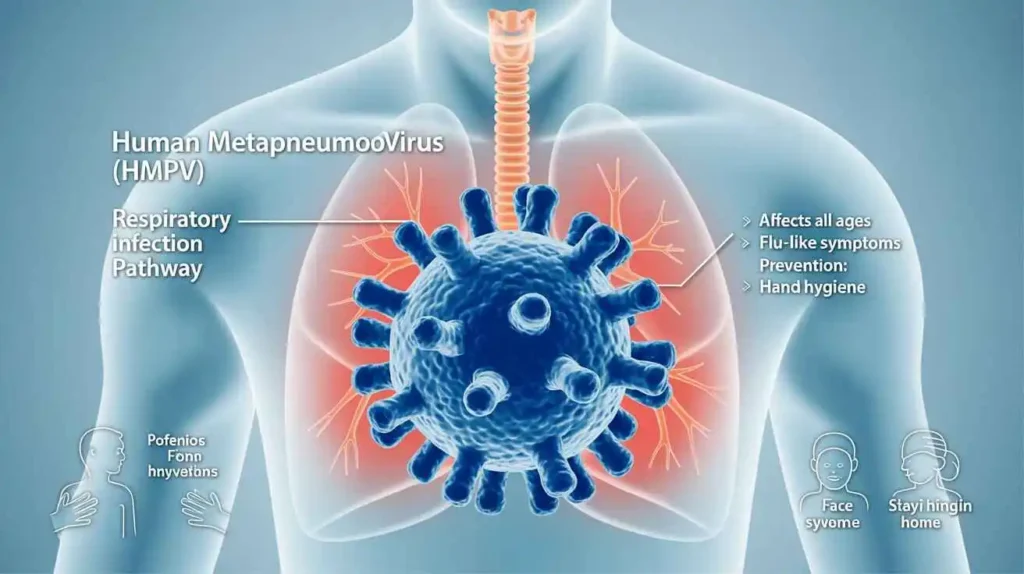
Human metapneumovirus HMPV China cases have drawn global health attention in recent months. This respiratory virus causes flu-like illness and affects populations worldwide. Understanding human metapneumovirus HMPV virus China helps individuals, families, and communities protect public health through informed awareness. This comprehensive guide provides evidence-based information about HMPV, its current situation in China, symptoms, prevention strategies, and guidance from health authorities including the CDC and WHO. Whether you're a parent, traveler, healthcare professional, or someone seeking reliable health information, this resource offers clear, accurate answers about human metapneumovirus (HMPV) outbreak in China.
[Image 1: Medical illustration of HMPV virus structure]
Understanding Human Metapneumovirus (HMPV)
Definition and Virus Basics
Human metapneumovirus was discovered in 2001, though it has likely circulated in human populations for decades. This common respiratory virus affects people worldwide, causing upper and lower respiratory tract infections. HMPV belongs to the Paramyxoviridae family, making it similar to respiratory syncytial virus (RSV). The virus affects all age groups, with cases occurring most commonly during winter and spring months. Despite its recent identification, HMPV is not new and circulates regularly in communities globally.
How HMPV Affects the Body
The virus infects the lining of the respiratory tract, causing inflammation in the airways. This inflammation produces symptoms ranging from mild cold-like illness to more serious conditions like bronchiolitis or viral pneumonia. In healthy individuals, HMPV typically causes mild illness that resolves within one to two weeks. However, the virus can cause more severe disease in vulnerable populations, particularly young children, elderly adults, and people with weakened immune systems or chronic health conditions.
HMPV vs Other Respiratory Viruses
Human metapneumovirus produces symptoms very similar to influenza and RSV, making clinical diagnosis challenging without laboratory testing. Unlike influenza, no specific antiviral treatment exists for HMPV infections. The virus receives less diagnostic testing compared to flu, meaning many HMPV cases may go unidentified. Like other respiratory viruses, HMPV follows seasonal occurrence patterns, with peak activity typically observed during cooler months when people spend more time indoors.
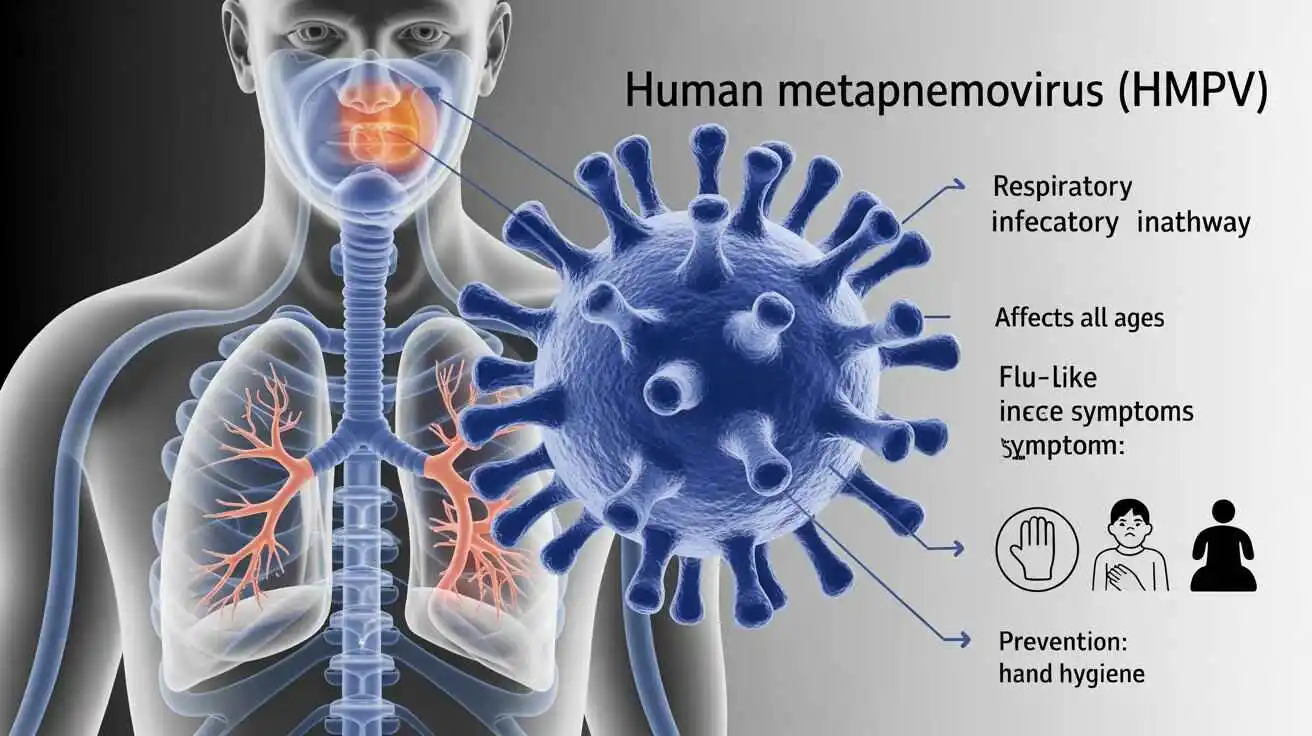
Current HMPV Situation in China
Reported Cases and Outbreak Information
China human metapneumovirus HMPV has been part of regular respiratory virus surveillance systems. Recent reports indicate HMPV circulating among other seasonal respiratory viruses in various Chinese provinces. Health officials monitor case numbers, geographic distribution, and hospitalization rates as part of standard public health surveillance. The current situation reflects typical seasonal patterns rather than unprecedented viral activity. Compared to previous years, case trends align with expected winter respiratory season increases. Official reports from China's health ministry provide updates through established reporting channels.
China's Public Health Response
Chinese health authorities maintain robust surveillance and monitoring systems for respiratory pathogens. Hospitals have prepared capacity and resources to manage respiratory illness cases. Public health communications inform citizens about prevention measures and when to seek medical care. Healthcare resource allocation ensures adequate diagnostic testing, treatment capacity, and medical supplies. China coordinates with international health organizations to share surveillance data and epidemiological information, contributing to global health security efforts.
Context of Respiratory Viruses in China
Multiple respiratory viruses circulate simultaneously during winter months, including influenza, RSV, and human metapneumovirus hmpv china. Post-pandemic respiratory seasons show varied patterns as population immunity evolves. The healthcare system manages seasonal surges through established protocols developed over years of experience. Historical comparison data helps officials distinguish between typical seasonal activity and unusual patterns requiring enhanced response measures.
International Health Organization Response
The World Health Organization and CDC actively monitor respiratory virus china situations through global surveillance networks. These organizations conduct ongoing risk assessments based on available epidemiological data. International cooperation facilitates information sharing, technical support, and coordinated public health guidance. Travel health recommendations remain evidence-based and proportionate to assessed risks. Both WHO and CDC provide technical guidance documents to support national health authorities worldwide.
Recognizing HMPV Symptoms
Common Symptoms
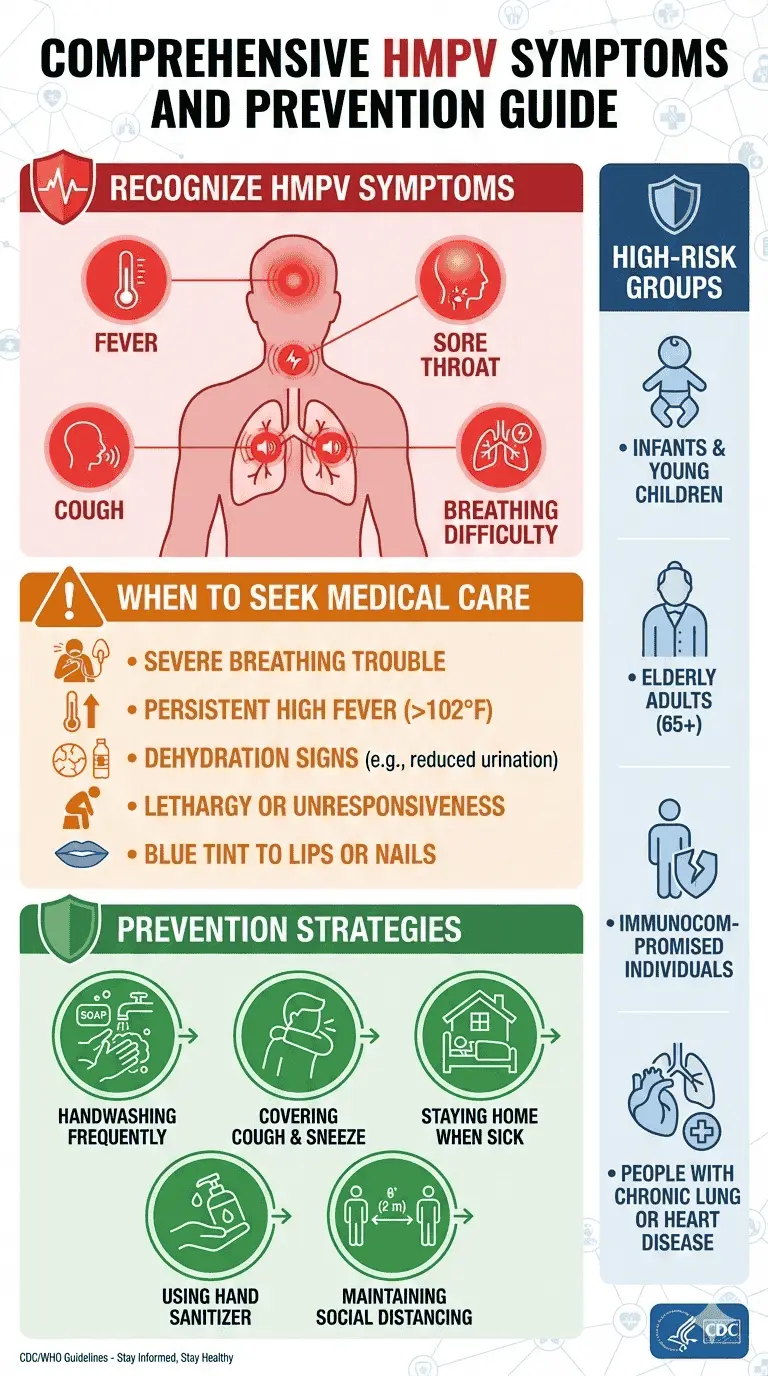
Human metapneumovirus hmpv china cdc guidance identifies several characteristic symptoms. Persistent cough represents the most common symptom, often accompanied by fever. Nasal congestion and runny nose occur frequently, similar to common colds. Sore throat causes discomfort in many patients. Wheezing or difficulty breathing may develop, particularly in young children or those with underlying respiratory conditions. Shortness of breath signals more severe infection requiring medical evaluation. Fatigue and body aches accompany the respiratory symptoms, contributing to overall illness severity.
Symptoms in Different Age Groups
Infants and Young Children: Young children often experience more severe respiratory symptoms than adults. Wheezing occurs commonly as smaller airways become inflamed and narrowed. Irritability and poor feeding may be the first signs parents notice. Higher fevers develop more frequently in pediatric cases. The risk of bronchiolitis increases in infants, sometimes requiring hospital admission for supportive care and monitoring.
Adults and Elderly: Adult patients typically experience flu-like symptoms as the predominant presentation. Elderly individuals face increased risk of developing viral pneumonia complications. Underlying chronic conditions may worsen during HMPV infection. Recovery time extends longer in elderly populations compared to younger, healthy adults.
When to Seek Medical Care
Certain warning signs require prompt medical evaluation. Difficulty breathing or rapid breathing patterns indicate respiratory distress. Persistent high fever lasting beyond three days warrants medical consultation. Dehydration symptoms such as decreased urination, dry mouth, or dizziness require attention. Bluish discoloration of lips or face signals inadequate oxygen levels needing immediate care. Chest pain or pressure should never be ignored. Confusion or unusual lethargy, especially in elderly patients, requires urgent evaluation. Worsening of chronic conditions during respiratory illness demands medical review. Symptoms failing to improve after three to five days should prompt healthcare provider contact.
Diagnostic Testing
Healthcare providers collect respiratory samples through nasal or throat swabs. PCR testing identifies HMPV genetic material with high accuracy. Chest X-rays may be ordered if pneumonia is suspected. Differential diagnosis helps distinguish HMPV from other respiratory viruses causing similar symptoms. However, clinical diagnosis based on symptoms and physical examination often suffices for managing typical cases, as treatment remains supportive regardless of the specific virus identified.
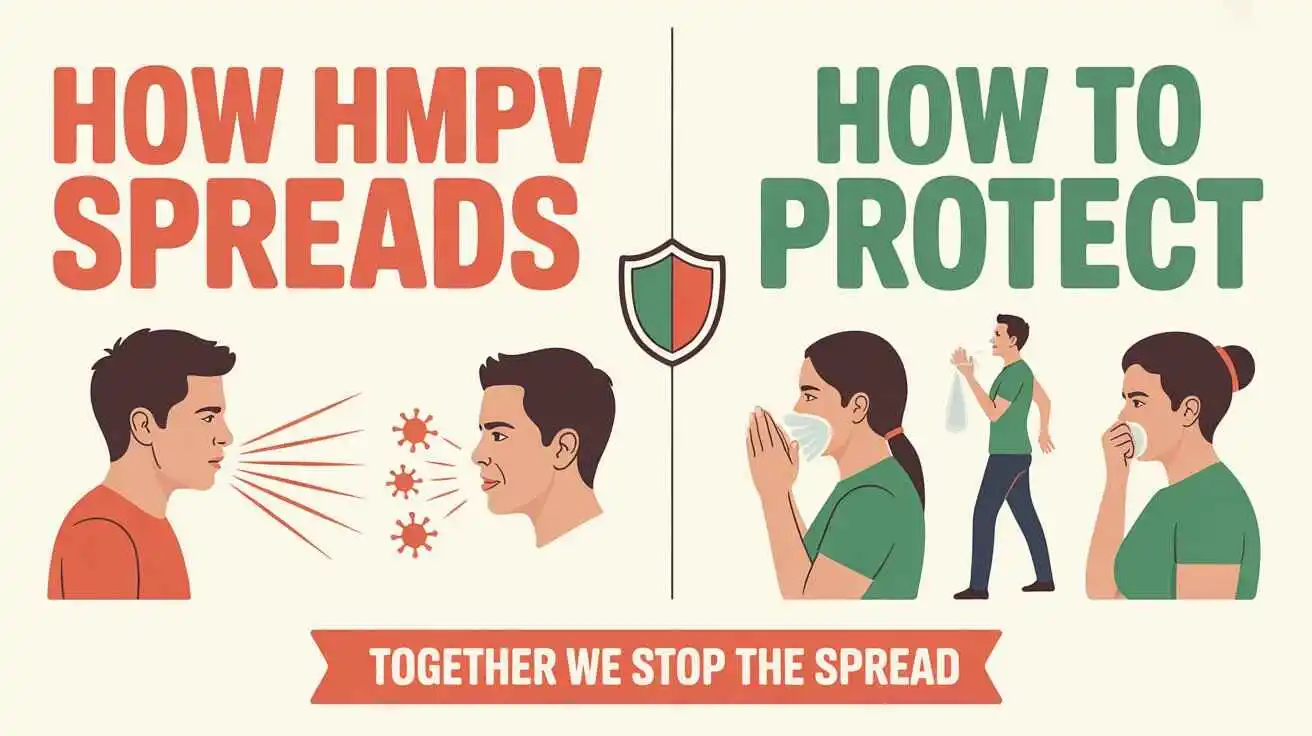
How Human Metapneumovirus Spreads
Transmission Methods
Understanding hmpv respiratory virus transmission helps implement effective prevention strategies. The virus spreads primarily through respiratory droplets produced when infected individuals cough or sneeze. Close personal contact with sick people facilitates transmission through droplet exposure. Touching contaminated surfaces and then touching the face transfers virus to mucous membranes. Droplet transmission typically occurs within three to six feet of an infected person. The incubation period ranges from three to six days between exposure and symptom onset.
High-Risk Environments
Certain settings increase metapneumovirus outbreak risk due to close contact and shared air. Households see rapid transmission among family members. Schools and daycare centers bring children into prolonged close contact. Healthcare facilities expose vulnerable patients to respiratory pathogens. Public transportation confines people in shared indoor spaces. Crowded indoor venues with poor ventilation facilitate viral spread. Nursing homes house high-risk elderly populations in communal living arrangements.
Prevention Strategies
Personal Hygiene: Frequent handwashing with soap and water for at least twenty seconds remains the single most effective prevention measure. Hand sanitizer containing at least sixty percent alcohol serves when soap and water are unavailable. Avoiding touching the face, particularly eyes, nose, and mouth, prevents self-inoculation. Covering coughs and sneezes with tissues or elbows reduces droplet dispersal. Regular cleaning and disinfection of frequently touched surfaces removes viral contamination.
Social Measures: Staying home when sick prevents transmission to others in public settings. Avoiding close contact with visibly ill individuals reduces exposure risk. Maintaining physical distance in crowded settings decreases droplet exposure. Wearing masks in crowded indoor spaces during respiratory virus season provides barrier protection. Improving indoor ventilation through open windows or air filtration systems dilutes viral particles in shared air.
Additional Precautions: Strengthening immune system function through healthy lifestyle habits supports viral defense. Adequate sleep of seven to nine hours nightly enhances immune response. Proper nutrition with fruits, vegetables, and whole grains provides essential nutrients. Staying well hydrated maintains mucous membrane function. Managing chronic conditions according to healthcare provider guidance reduces complication risks.
No Vaccine Currently Available
No HMPV-specific vaccine exists currently, though vaccine research continues at multiple institutions. Prevention relies entirely on behavioral measures and good hygiene practices. The prevention approach mirrors strategies used for RSV and other respiratory viruses lacking vaccines. Scientists continue investigating vaccine candidates that may become available in future years.
Human Metapneumovirus HMPV China CDC Guidance
CDC Recommendations
The Centers for Disease Control and Prevention maintains surveillance and monitoring protocols for respiratory viruses including HMPV. Healthcare providers receive guidelines for recognizing, testing, and managing suspected cases. Travel health notices provide current information when warranted by epidemiological data. Laboratory testing guidance helps facilities implement appropriate diagnostic procedures. Risk assessment updates inform public health decision-making and response planning.
Travel Considerations
For Travelers to China: The CDC issues travel health notices when epidemiological situations warrant specific precautions. Risk level assessments help travelers make informed decisions about planned trips. Recommended precautions include standard respiratory hygiene and hand hygiene practices. Health insurance considerations ensure access to medical care if needed abroad. Pre-travel health consultations with healthcare providers help travelers prepare appropriately.
During Travel: Practicing respiratory hygiene by covering coughs and sneezes protects others. Frequent hand hygiene, especially before eating or after touching public surfaces, reduces exposure. Avoiding close contact with visibly sick individuals minimizes transmission risk. Monitoring personal health symptoms allows early recognition of illness. Knowing local healthcare resources and how to access them prepares travelers for potential needs.
Upon Return: Monitoring for hmpv symptoms china for fourteen days after return allows early detection. Seeking medical care promptly if symptoms develop enables appropriate management. Informing healthcare providers about recent travel to China helps them consider relevant diagnostic possibilities and take appropriate precautions.
WHO Global Guidance
The World Health Organization coordinates global surveillance networks tracking respiratory viruses worldwide. International health regulations provide framework for reporting and responding to public health events. Risk communication strategies help countries convey accurate, timely information to populations. Technical guidance documents support national health authorities implementing surveillance, prevention, and control measures.
Healthcare System Preparedness
Infection prevention and control protocols protect patients and healthcare workers. Diagnostic capacity ensures adequate testing availability for proper patient management. Patient isolation protocols prevent healthcare-associated transmission. Adequate personal protective equipment supplies enable safe patient care. Healthcare worker protection through training, equipment, and occupational health measures maintains workforce capacity.
Managing HMPV Infections
Medical Treatment Options
No specific antiviral medication exists for human metapneumovirus hmpv virus china infections. Supportive care represents the primary treatment approach for all cases. Treatment focuses on managing symptoms and preventing complications. Hospitalization becomes necessary for severe cases with respiratory distress or dehydration. Oxygen therapy supports patients with low blood oxygen levels. Intravenous fluids treat dehydration when patients cannot maintain adequate oral intake.
Home Care Strategies
Symptom Relief: Adequate rest and sleep support the body's immune response. Staying well hydrated with water, clear broths, and electrolyte solutions maintains physiological function. Using a cool-mist humidifier adds moisture to air, easing congestion and cough. Over-the-counter pain relievers may provide comfort, though parents should consult providers before giving medications to children. Fever reducers help manage discomfort from elevated temperatures. Throat lozenges soothe sore throat pain in older children and adults.
Monitoring at Home: Tracking temperature regularly helps identify fever patterns and response to treatment. Watching for breathing difficulties such as rapid breathing or chest retractions requires vigilance. Noting symptom progression guides decisions about seeking additional medical care. Identifying warning signs early enables timely intervention before complications develop.
Hospital Care for Severe Cases
When Hospitalization Needed: Severe respiratory distress with significantly increased breathing effort requires hospital evaluation. Low oxygen levels detected by pulse oximetry or clinical signs necessitate supplemental oxygen. Dehydration requiring intravenous fluid replacement indicates need for hospital care. Pneumonia complications visible on chest imaging may require inpatient management. Infants with severe symptoms often need hospital admission for close monitoring and supportive care.
Hospital Treatment May Include: Supplemental oxygen delivered through nasal cannula or mask maintains adequate oxygen saturation. Respiratory support through non-invasive ventilation or, rarely, mechanical ventilation assists severely compromised breathing. Intravenous fluids and medications address dehydration and associated electrolyte imbalances. Continuous monitoring of vital signs detects changes requiring intervention. Chest physiotherapy helps clear secretions in some patients.
Recovery and Follow-Up
Most people recover from hmpv respiratory virus within one to two weeks. Cough may persist for several weeks after other symptoms resolve. Gradual return to normal activities based on energy levels and symptom resolution is appropriate. Follow-up with healthcare providers may be recommended if symptoms persist beyond expected timeframes or if complications develop.
Who Is Most at Risk from HMPV?
High-Risk Groups
Infants and Young Children: Children under five years face the highest risk of severe disease from human metapneumovirus (hmpv) outbreak in china and worldwide. Premature infants show particular vulnerability due to underdeveloped immune systems and smaller lungs. Smaller airways in young children become more easily obstructed by inflammation and mucus. Hospitalization rates prove significantly higher in pediatric populations compared to healthy adults.
Elderly Adults: Adults aged sixty-five and older experience increased complication risks. Age-related decline in immune function reduces the body's ability to fight infection. Pneumonia complications develop more frequently in elderly populations. Recovery time extends considerably compared to younger adults, sometimes requiring weeks rather than days.
Immunocompromised Individuals: Cancer patients undergoing chemotherapy or radiation therapy have weakened immune defenses. Organ transplant recipients taking immunosuppressive medications face elevated risk. People living with HIV/AIDS show increased vulnerability to respiratory infections. Anyone using medications that suppress immune function requires extra precautions. These individuals may experience prolonged illness duration and higher complication rates.
People with Chronic Conditions
Chronic lung diseases such as COPD or asthma worsen during viral respiratory infections. Cardiovascular disease patients face increased cardiac stress during respiratory illness. Diabetes affects immune function and healing capacity. Chronic kidney disease reduces the body's ability to maintain physiological balance during illness. Liver disease compromises multiple body systems involved in fighting infection.
Protective Measures for High-Risk Groups
Strict adherence to hand hygiene practices provides critical protection. Avoiding contact with sick individuals requires particular vigilance in high-risk populations. Mask wearing in public spaces during respiratory virus season offers additional barrier protection. Limiting exposure to crowded indoor environments during peak transmission periods reduces risk. Early medical consultation at symptom onset enables prompt supportive care and monitoring.
Global Perspective on Human Metapneumovirus
HMPV Worldwide Distribution
Human metapneumovirus occurs in all geographic regions globally. The virus causes approximately five to ten percent of respiratory infections requiring medical attention. Year-round viral presence exists, though cases peak during winter months in temperate climates. Hospitalization rates from HMPV prove comparable to those from RSV infections. The virus represents a regular component of seasonal respiratory illness worldwide.
Comparison with Other Countries
Regular HMPV seasons occur annually in North America with predictable winter peaks. European surveillance systems track the virus through established respiratory pathogen networks. Asian countries maintain monitoring systems documenting seasonal HMPV circulation. Outbreak reporting variations reflect differences in surveillance infrastructure and testing practices rather than actual disease burden differences.
Why HMPV in China Draws Attention
China's large population density creates potential for rapid viral transmission. Post-COVID enhanced health surveillance means more respiratory viruses receive attention and reporting. Extensive international travel connections link China to global destinations. Global health security concerns following the COVID-19 pandemic increase scrutiny of all respiratory illness reports from densely populated regions.
Scientific Research and Development
Vaccine development efforts continue at academic institutions and pharmaceutical companies. Scientists research antiviral medications that might target HMPV specifically. Diagnostic improvements aim for faster, more accessible testing methods. International research collaboration accelerates progress through shared data and resources. These efforts may yield new prevention and treatment tools in coming years.
Reliable Sources for HMPV Information
Official Health Organizations
The CDC provides authoritative information on respiratory viruses including HMPV. WHO offers global perspective and international surveillance data. National health ministries issue country-specific guidance and situation reports. Local public health departments provide community-level information and resources. China CDC publishes surveillance data and public health recommendations. European CDC tracks respiratory virus activity across European nations. Academic medical centers share research findings and clinical expertise.
Avoiding Misinformation
Verifying source credentials ensures information comes from qualified health authorities. Checking publication dates confirms information reflects current understanding. Cross-referencing multiple authoritative sources increases confidence in accuracy. Social media rumors often spread faster than facts and should be verified through official channels. Scientific journal publications undergo peer review, ensuring rigorous evaluation of findings.
Current Situation Monitoring
Official health department websites provide the most reliable updates on human metapneumovirus hmpv china. CDC travel health notices offer specific guidance for travelers. WHO situation reports summarize global respiratory virus activity. Email alerts from health agencies deliver timely updates directly. Reputable news organizations citing official health sources provide accessible reporting.
Red Flags for Misinformation
Sensationalized headlines designed to provoke fear rather than inform should raise skepticism. Unverified claims lacking attribution to credible sources warrant caution. Conspiracy theories contradicting established scientific understanding deserve dismissal. Miracle cure claims for conditions lacking specific treatments indicate unreliable sources. Fear-mongering language that seems intended to alarm rather than educate signals problematic content. Anonymous sources without institutional affiliation lack accountability and credibility.
Respiratory Health in the Modern World
Balanced Perspective
Human metapneumovirus represents part of the normal viral landscape affecting human populations. Respiratory viruses circulate annually during seasonal peaks that health systems anticipate. Proven prevention measures effectively reduce transmission risk when consistently implemented. Most HMPV cases resolve without complications through supportive care and time. Understanding respiratory virus circulation helps communities respond appropriately without unwarranted alarm.
Long-Term Prevention Habits
Consistent hand hygiene practices benefit health beyond any single virus season. Practicing respiratory etiquette always, not just during outbreaks, protects communities year-round. Staying home when sick prevents workplace and school transmission of all infectious diseases. Maintaining overall health through nutrition, exercise, and adequate sleep strengthens natural immune defenses. Regular medical check-ups ensure chronic conditions remain well-controlled, reducing complication risks.
Community Responsibility
Individual prevention actions collectively protect entire communities. Special consideration for protecting vulnerable populations reflects shared responsibility. Following evidence-based public health guidance demonstrates civic engagement. Sharing accurate information from reliable sources combats misinformation spread. Communities working together implement effective public health measures that benefit everyone.
Stay Informed About Human Metapneumovirus HMPV
Human metapneumovirus remains a common respiratory virus affecting populations worldwide, including current circulation in China. Health authorities including the CDC and WHO actively monitor the situation through established surveillance systems. Prevention through consistent hygiene practices, staying home when sick, and protecting vulnerable populations reduces transmission risk. This comprehensive information about human metapneumovirus hmpv china provides evidence-based knowledge for making informed health decisions. Resources remain available through official health organization websites for ongoing updates.
Stay informed about human metapneumovirus HMPV China by following CDC and WHO guidance through their official websites and subscribing to health department alerts in your area.
Frequently Asked Question's:
Q: What is human metapneumovirus HMPV? "Human metapneumovirus (HMPV) is a common respiratory virus discovered in 2001 that causes flu-like illness. HMPV infects the respiratory tract and causes symptoms including cough, fever, nasal congestion, and breathing difficulties. Most people recover within 1-2 weeks with supportive care, though young children, elderly, and immunocompromised individuals face higher risk of complications."
Q: What are HMPV symptoms? "HMPV symptoms include cough, fever, runny nose, nasal congestion, sore throat, wheezing, and shortness of breath. Symptoms typically appear 3-6 days after exposure and resemble common flu. Seek medical care for difficulty breathing, persistent high fever, chest pain, or symptoms worsening after several days, especially in young children and elderly."
Q: How does human metapneumovirus spread? "Human metapneumovirus spreads through respiratory droplets when infected people cough or sneeze, close personal contact, and touching contaminated surfaces then touching your face. The virus is contagious during symptomatic illness. Prevent spread through frequent handwashing, covering coughs and sneezes, staying home when sick, and avoiding close contact with infected individuals."
Q: Is there treatment for HMPV? "HMPV has no specific antiviral treatment. Treatment focuses on supportive care including rest, hydration, symptom relief medications, and monitoring. Most cases resolve at home within 1-2 weeks. Severe cases may require hospitalization for oxygen therapy, IV fluids, or respiratory support. Healthcare providers manage symptoms and complications as needed."