
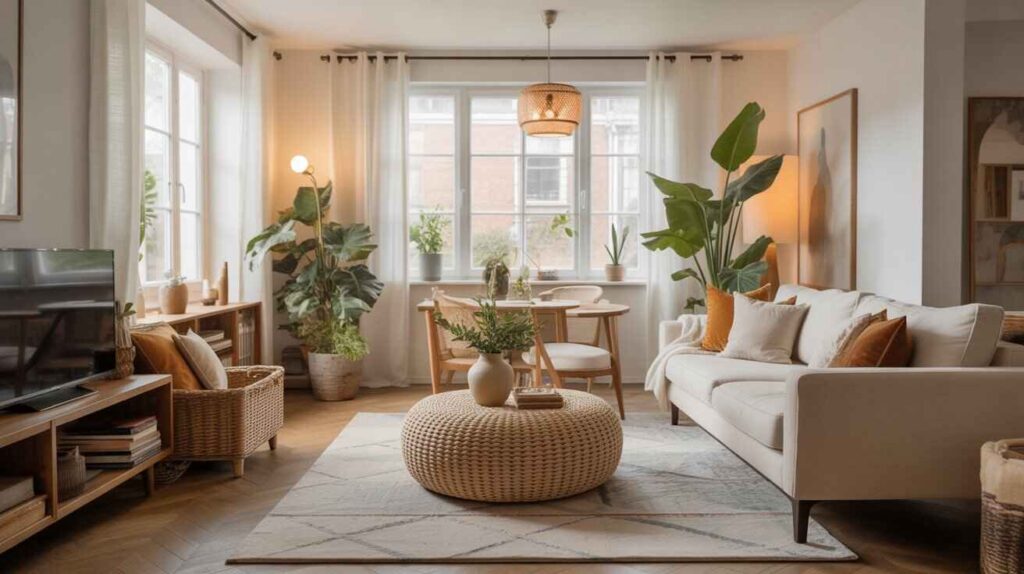
The spaces we inhabit profoundly shape our daily experiences, emotional wellbeing, and overall quality of life. Research increasingly shows that people seek spaces within their homes that help them recharge, recognizing that thoughtful design goes far beyond aesthetics—it's about creating environments that nurture, inspire, and support our best selves.
The pandemic fundamentally transformed our relationship with home. What was once simply a place to sleep became our office, gym, school, restaurant, and social hub. This shift awakened a collective consciousness about the importance of intentional living spaces. We're no longer satisfied with homes that merely look good in photographs; we crave spaces that feel good to live in every single day.
As we embrace 2026, home decor trends reflect this deeper understanding. The home decor trends 2026 movement centers on warmth, authenticity, sustainability, and personal expression. The word designers hear most when discussing interior trends is "warmth"—warm tones, warm woods, warm and welcoming spaces. We're moving away from the sterile, Instagram-perfect aesthetic toward homes that tell our stories, embrace imperfection, and genuinely reflect who we are.
This year represents an opportunity to create living spaces that actively contribute to your happiness, productivity, and peace of mind. Whether you're planning a complete home transformation or simply seeking inspiration for small updates, the home decor trends 2026 offer accessible ways to elevate your environment. Your home should be your sanctuary—a place where you can breathe deeply, think clearly, and be authentically yourself.
Top 10 Home Decor Trends for 2026
1. Warm Minimalism: The Evolution of Less is More
The stark, cold minimalism of previous years is evolving into something far more livable. Interior design ideas in 2026 combine style with functionality, sustainability, and wellness, moving beyond the austere white-on-white aesthetic toward spaces that embrace simplicity while radiating warmth and comfort.
Warm minimalism maintains the clean lines and uncluttered philosophy of traditional minimalism but introduces cozy textures, warm neutral palettes, and natural materials that make spaces feel inviting rather than sterile. Think creamy off-whites instead of stark whites, honey-toned woods rather than cold grays, and plush textiles that beg to be touched.
Implementation: Start with a warm neutral base—creams, beiges, soft taupes, or warm grays with subtle brown undertones. Layer in natural textures through linen curtains, wool throws, jute rugs, and wood furniture with visible grain. Keep surfaces mostly clear, but display a few meaningful objects rather than complete bareness. Mocha Mousse, Pantone's 2026 Color of the Year, is a warm, mellow brown that envelops spaces with sensorial warmth, making it perfect for this aesthetic. Add warmth through lighting—choose warm-toned bulbs (2700-3000K) and incorporate layered lighting with table lamps, floor lamps, and sconces rather than relying solely on harsh overhead lights.
2. Sustainable & Eco-Friendly Materials: Conscious Design
Sustainability has moved from trend to expectation. According to a survey reaching 643 interior designers, 43 percent say their projects are expected to have some sustainability requirement in 2026. Consumers are becoming more discerning about how long products will last, how they're made, and their environmental impact.
The home decor trends 2026 prioritize reclaimed wood furniture, bamboo flooring and accessories, organic cotton and linen textiles, recycled metal fixtures, natural rubber, cork, hemp, and jute. These materials aren't just environmentally responsible—they bring authentic character, unique textures, and timeless appeal that mass-produced items simply cannot match.
Environmental Impact: Choosing sustainable materials reduces deforestation, minimizes waste in landfills, decreases carbon emissions from production and shipping, eliminates toxic chemicals and VOCs (volatile organic compounds) from your indoor environment, and supports ethical labor practices and fair wages for artisans and workers.
Where to Source: Explore specialized sustainable retailers like The Citizenry (artisan-made home decor from 22 countries), Quince (affordable organic linens and OEKO-TEX certified bedding), Made Trade (curated ethical marketplace), Avocado Green Mattress (certified B Corp for organic, non-toxic bedding), West Elm's Fair Trade Certified collection, and VivaTerra (ethically sourced natural living products). Don't overlook local sources—visit architectural salvage yards for reclaimed wood and vintage fixtures, farmers markets and craft fairs for handmade items, estate sales and auctions for quality antique furniture, and habitat for humanity ReStores for donated building materials and furnishings.
3. Biophilic Design: Nature as the Ultimate Designer
Tones and materials are taking cues directly from the natural world, as biophilic design—the practice of connecting indoor spaces with the natural environment—gains momentum. This approach recognizes that humans have an innate need to connect with nature, and bringing natural elements indoors improves mood, reduces stress, enhances creativity, and even boosts productivity.
Biophilic design encompasses far more than simply adding houseplants. It's about incorporating natural materials (stone, wood, clay, natural fibers), maximizing natural light through larger windows, skylights, and strategic mirror placement, adding living walls or vertical gardens, using nature-inspired colors (earth tones, forest greens, sky blues), creating visual connections to outdoor spaces, incorporating water features for soothing sounds, and displaying natural elements like driftwood, stones, or shells.
Plant Integration: Select plants appropriate for your light conditions and maintenance ability. For low light: pothos, snake plants, ZZ plants, philodendrons. For medium light: monstera, peace lilies, dracaena, ferns. For bright light: fiddle leaf figs, rubber plants, bird of paradise, succulents. Group plants at varying heights for visual impact, use decorative ceramic or terracotta pots that complement your aesthetic, consider hanging plants to utilize vertical space, and research whether plants are pet-safe if you have animals.
Natural Light Maximization: Remove heavy, dark curtains that block sunlight, paint walls in light, reflective colors, position mirrors opposite windows to bounce light throughout the room, keep windows clean for maximum light transmission, and trim outdoor vegetation that blocks natural light.
4. Multifunctional Spaces: Adapting to Modern Life
The way we use our homes has fundamentally changed. Multifunctional furniture and smart home design are taking center stage, with designers choosing pieces that integrate technology without compromising on style. We need spaces that seamlessly transition from work to leisure, from solo activities to family gatherings, from exercise to relaxation.
The home decor trends 2026 embrace hybrid spaces that serve multiple purposes without feeling cluttered or chaotic. This requires thoughtful planning, strategic furniture selection, and creative space division techniques.
Hybrid Home Office Solutions: If you lack a dedicated office, create zones within existing rooms. Use a room divider, bookshelf, or curtain to separate work areas from living spaces. Select furniture that serves dual purposes—a dining table that becomes a workspace, a console table behind the sofa that functions as a standing desk, or a secretary desk that closes to hide work materials. Invest in quality task lighting for your workspace and comfortable, ergonomic seating that supports extended use. Use baskets or decorative boxes to store office supplies, keeping them accessible but concealed.
Flexible Furniture: Look for sofa beds or daybeds that accommodate overnight guests, nesting tables that expand when needed and tuck away when not, ottomans with storage inside, murphy beds that fold into walls, extendable dining tables, and modular sectionals that can be rearranged for different configurations.
5. Bold Color Comebacks: Embracing Personality
After years of neutral dominance, bold colors are making a triumphant return. Bold, saturated colors are making a comeback in 2026, with color-drenched rooms using a single hue in varying shades to create cohesive and impactful looks. This trend reflects a broader cultural shift toward self-expression, individuality, and spaces that spark joy rather than simply playing it safe.
Mocha Mousse, Pantone's 2026 Color of the Year, is a warm mellow brown that expresses thoughtful indulgence and extends perceptions of browns from humble and grounded to aspirational and luxe. Beyond Mocha Mousse, jewel tones like emerald green, sapphire blue, and amethyst purple are trending, along with rich terracotta, forest green, and deep browns balanced with creamy stone and warm whites.
Accent Walls and Statement Pieces: If you're hesitant about color commitment, start small. Paint a single accent wall in a bold hue—behind a bed, highlighting a fireplace, or creating definition in an open space. Invest in one statement furniture piece in a vibrant color—a jewel-toned velvet sofa, an emerald green accent chair, a navy blue sideboard. Layer colorful textiles through throw pillows, area rugs, curtains, and artwork that can easily be changed. Consider the color-drenching trend—painting walls, trim, and ceiling the same rich color for dramatic, enveloping impact.
Color Psychology: Choose colors intentionally based on the mood you want to create. Blues promote calm, focus, and relaxation (ideal for bedrooms and home offices). Greens evoke nature, balance, and renewal (perfect for any room, especially bathrooms and living spaces). Warm earth tones (terracotta, rust, brown) provide grounding, comfort, and stability. Yellows and oranges energize and uplift (great for kitchens and creative spaces, but use sparingly in bedrooms). Deep colors like navy, charcoal, and burgundy create intimacy and sophistication (excellent for dining rooms, libraries, and accent walls).
6. Artisan & Handcrafted Pieces: Celebrating Human Touch
In a world saturated with mass production, authentic materials and handcrafted finishes bring warmth, soul, and richness to any home. The home decor trends 2026 celebrate artisan work, recognizing that handcrafted items carry stories, support skilled craftspeople, and bring unique character that mass-produced items simply cannot replicate.
Clients are leaning into warmer palettes, natural materials like stone and wood, and a mix of textures and patterns that add depth and personality, demanding thoughtful, collected interiors that feel lived-in and unique.
Supporting Local Makers: Shop at local craft markets and art festivals, commission pieces directly from artisans (potters, woodworkers, textile artists), join community-supported art programs, explore Etsy for handmade items with maker stories, and visit local galleries representing regional artists and craftspeople.
Investment Pieces: While handcrafted items typically cost more than mass-produced alternatives, they're investments in quality, durability, and uniqueness. Prioritize handcrafted pieces for items you interact with daily—dining tables, coffee tables, lighting fixtures, decorative pottery, textile art, and statement furniture. A single exceptional handcrafted piece often elevates an entire room more effectively than multiple generic items.
7. Tech-Integrated Design: Invisible Innovation
Smart home technology continues advancing, but the aesthetic has evolved dramatically. Hidden tech is appearing everywhere in 2026, with devices seamlessly integrated into furniture and design rather than prominently displayed. The goal is technology that enhances your life without dominating your visual space.
Smart Home Aesthetics: Modern tech-integrated design conceals televisions behind artwork or inside custom cabinetry, incorporates wireless charging stations into nightstands and side tables, uses voice-controlled lighting that eliminates visible switches and cords, installs motorized window treatments controlled by apps or voice commands, and hides routers and cables inside decorative boxes or furniture with cable management systems.
Function Meets Beauty: The best tech integration feels invisible. Picture frame TVs like Samsung's The Frame display artwork when not in use. Smart speakers come in fabric-covered designs that resemble decorative objects. Outlets with built-in USB ports and wireless charging pads eliminate visible charging cables. Smart thermostats feature minimalist designs that blend with wall colors. Voice-controlled systems eliminate the need for multiple visible remotes and control panels.
8. Vintage & Antique Mixing: Stories in Every Corner
Authentic materials bring warmth, soul, and richness, and the natural patina that forms only adds to character, telling the story of how you live. The home decor trends 2026 embrace mixing vintage finds, antique treasures, and new pieces to create layered, collected-over-time aesthetics that feel personal and intentional.
Eclectic Layering: The key to successfully mixing vintage and new is finding common threads—complementary colors, similar materials, compatible scales, or harmonious styles. A room might combine a vintage wooden dining table with modern acrylic chairs, an antique mirror above a contemporary console, or mid-century modern side tables flanking a new sofa. The juxtaposition creates visual interest and prevents spaces from feeling too matchy or staged.
Sustainability Through Reuse: Buying vintage and antique isn't just aesthetically appealing—it's environmentally responsible. You're keeping quality items in circulation rather than sending them to landfills, reducing demand for new production and its associated carbon emissions, often acquiring better quality than modern alternatives, and supporting local antique dealers and second-hand shops rather than large corporations.
Finding Pieces: Explore estate sales for high-quality furniture and unique decorative items, browse antique stores and vintage markets, check online marketplaces like Chairish, 1stdibs, and Facebook Marketplace, visit architectural salvage yards for fixtures, doors, and building elements, and attend auctions for exceptional pieces and competitive prices.
9. Textured Walls & Ceilings: Dimensional Interest
In 2026, different kinds of textures are being explored for otherwise-barren walls, from wood paneling to plaster to limewash. Flat painted walls are giving way to dimensional surfaces that add depth, character, and sensory interest.
Beyond Flat Paint: Techniques for creating textured walls include limewash paint (creates subtle, organic variation and matte finish), venetian plaster (smooth, polished appearance with depth), textured paint techniques (sponging, ragging, color washing), and shiplap or board-and-batten paneling (architectural dimension).
Wallpaper Resurgence: Modern wallpapers have evolved far beyond your grandmother's floral prints. Pattern drenching—using all-over prints and patterns that match—is the new way to deck a room out in color, adding traditional whimsy in an impactful way. Contemporary options include removable peel-and-stick wallpaper (renter-friendly), textured grasscloth and natural fiber wallpapers, bold geometric and abstract patterns, mural wallpapers creating focal points, and subtle textured wallpapers adding depth without pattern.
Architectural Interest: Don't neglect the "fifth wall"—your ceiling. Color drenching extends to painting walls and ceilings the same color for dramatic effect. Consider painted ceilings in complementary or matching wall colors, exposed beams (real or faux), coffered or tray ceilings adding dimension, wallpaper or wood planks on ceilings, and architectural molding and medallions.
10. Wellness-Focused Design: Health as Foundation
The home decor trends 2026 recognize that our environments directly impact our physical and mental health. Wellness, relaxation, and comfort are in the zeitgeist, with people seeking spaces that reflect not only their unique vision of sanctuary but their distinct personalities.
Air Quality Considerations: Indoor air quality significantly affects health, energy, and cognitive function. Improve your home's air through houseplants that filter toxins (though effects are modest), air purifying systems or HEPA filters, low-VOC or zero-VOC paints and finishes, natural materials that don't off-gas chemicals (solid wood, natural fibers, clay, stone), adequate ventilation through windows or mechanical systems, and eliminating synthetic fragrances from candles, air fresheners, and cleaning products.
Natural Lighting: Exposure to natural light regulates circadian rhythms, improves mood and energy, enhances vitamin D production, and increases productivity. Maximize natural light by removing barriers (heavy curtains, furniture blocking windows), using sheer or light-filtering window treatments, painting in light, reflective colors, strategically placing mirrors, and supplementing with full-spectrum light bulbs that mimic natural daylight.
Stress-Reducing Elements: Create calming environments through organized, clutter-free spaces (visual chaos creates mental stress), soft textures and comfortable furniture, soothing color palettes (blues, greens, neutrals), quiet reading nooks, wellness rooms, or meditation alcoves serving as sanctuaries within the home, artwork and objects that bring joy and positive memories, and spaces for hobbies and creative expression.
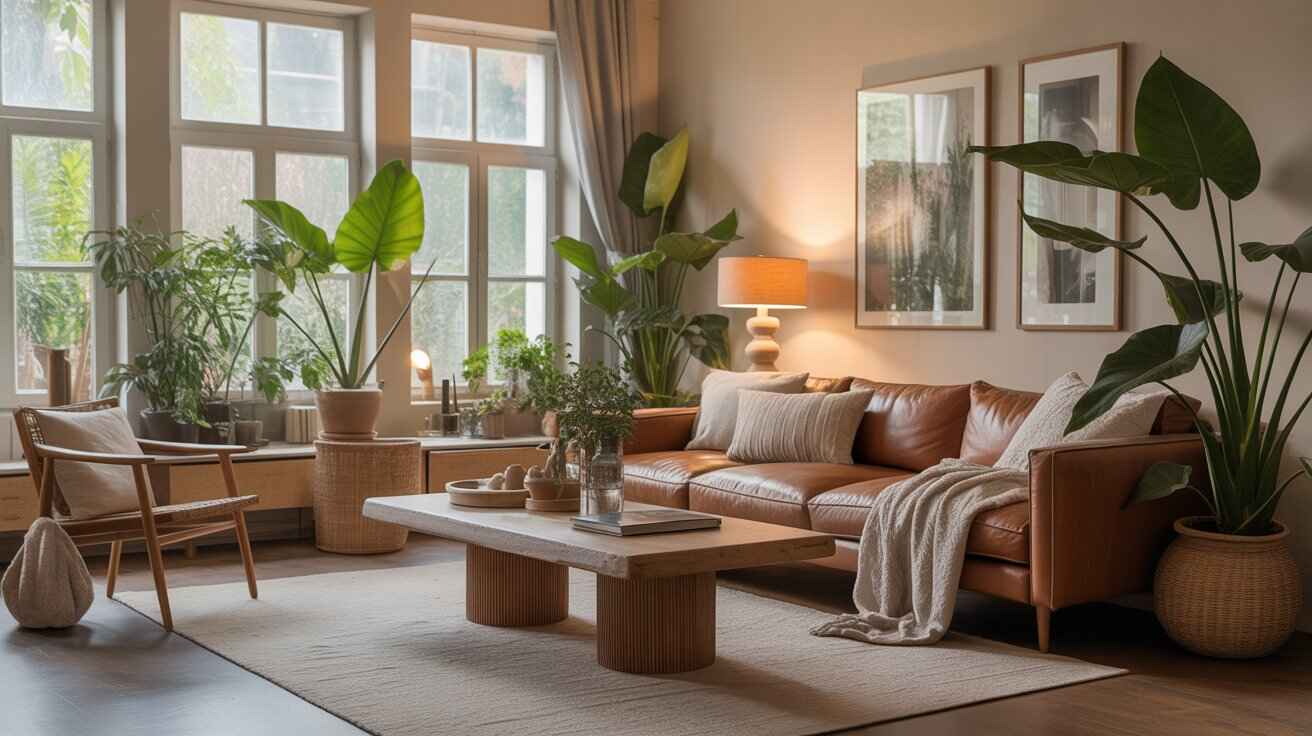
Budget-Friendly Implementation: Beautiful Design for Any Budget
Transforming your space doesn't require unlimited funds. The home decor trends 2026 are accessible at every price point with strategic planning and creative thinking.
DIY Projects: Embrace do-it-yourself projects to achieve high-impact changes affordably. Paint is the ultimate budget transformer—a single wall color change can completely alter a room's feel for under $100. Learn to sew simple curtains, pillow covers, or table runners from fabric. Refinish or paint existing furniture rather than buying new. Create artwork by framing fabric, wallpaper samples, or your own paintings. Build simple shelving or use crates/boxes as decorative storage. Make your own throw pillows with fabric and inexpensive inserts.
Thrifting Strategies: Approach secondhand shopping strategically. Visit regularly since inventory constantly changes and the best pieces go quickly. Look beyond surface appearance—furniture with good bones can be transformed with paint, new hardware, or reupholstering. Negotiate prices, especially at estate sales and markets. Focus on quality materials (solid wood, real leather, natural fibers) that can be refreshed. Search specifically for items that are expensive new but affordable used: solid wood furniture, quality rugs, artwork and mirrors, decorative accessories, and vintage lighting.
Prioritizing Investments: Allocate your budget strategically, investing more in foundational pieces you'll use daily and save on easily changeable items. Splurge on quality sofas and mattresses (used daily, should last 10+ years), area rugs in main living spaces, window treatments (significantly impact room aesthetics), and good lighting. Save on decorative accessories (thrift stores offer abundant options), artwork (frame prints, posters, or your own creations), side tables and accent furniture (easy to DIY or find used), and trendy items that may feel dated quickly.
Phased Approach: Rome wasn't built in a day, and neither is a beautifully designed home. Tackle your home transformation in manageable phases to spread costs over time and avoid overwhelming yourself. Phase One (months 1-3) might address paint and wall treatments—the highest impact for lowest cost. Phase Two (months 4-6) could focus on foundational furniture pieces. Phase Three (months 7-9) might add lighting upgrades and window treatments. Phase Four (months 10-12) layers in decorative accessories, artwork, and finishing touches. This approach allows you to live with changes, ensuring you love each element before moving forward, and to save for quality pieces rather than settling for items you'll want to replace later.
Room-by-Room Guide: Applying Trends Practically
Living Room Focal Points: Your living room sets the tone for your entire home. Create a strong focal point—a fireplace, large artwork, statement wall color, or eye-catching furniture arrangement. Curved sofas and sculptural furniture with softened edges add visual interest while evoking calm and connection to nature. Layer lighting at multiple levels (overhead, table lamps, floor lamps, accent lighting) and incorporate various textures through throw pillows, blankets, rugs, and varied materials. Arrange furniture to encourage conversation rather than just facing the television.
Bedroom Sanctuaries: Homeowners are seeking spaces that let them recharge, with bedrooms becoming true sanctuaries. Prioritize quality bedding in natural, breathable fabrics—the difference in sleep quality is remarkable. Choose calming colors (soft blues, greens, warm neutrals) that promote relaxation. Minimize or eliminate televisions and work materials from bedrooms to preserve them as rest spaces. Invest in blackout curtains or shades for quality sleep, add soft rugs beside the bed for morning comfort, and include personal touches that bring joy—meaningful artwork, photographs, or objects.
Kitchen Updates: Gone are the days when everyone has the same cookie-cutter kitchen, with color becoming central whether through bold hues, fanciful drawer pulls, or customized appliance covers. Update your kitchen affordably by painting cabinets (dramatic transformation for minimal cost), replacing hardware on cabinets and drawers (modern pulls and knobs instantly refresh), adding a peel-and-stick backsplash (numerous affordable options exist), upgrading light fixtures above islands or tables, incorporating open shelving for visual interest, and displaying colorful dishes, plants, or decorative objects.
Bathroom Refresh: Spa-like bathrooms emphasizing comfort and wellness are becoming standard. Transform your bathroom through upgraded towels in plush, organic cotton, new shower curtain and bath mat, modern faucets and hardware, improved lighting (especially around mirrors), plants that thrive in humidity, decorative storage solutions, and luxury touches like candles, bath salts, or artwork.
Home Office Optimization: With continued work-from-home arrangements, functional home offices matter more than ever. Position your desk to face into the room rather than a wall (less claustrophobic), maximize natural light for mood and productivity, invest in an ergonomic chair and proper desk height, create strong task lighting, organize with attractive storage solutions, add personality through artwork, plants, or meaningful objects, and maintain clear boundaries between work and personal spaces when possible.
Shopping Resources: Where to Find Your Perfect Pieces
Sustainable Retailers: The Citizenry (artisan partnerships across 22 countries, Fair Trade wages), Quince (affordable organic textiles, OEKO-TEX certified, under $150), West Elm (Fair Trade Certified collection, accessible sustainability), Avocado Green Mattress (B Corp certified, organic and non-toxic materials), Made Trade (curated ethical marketplace), Parachute (OEKO-TEX certified, sustainable bedding), and Anchal Project (GOTS-certified organic cotton, supports marginalized women in India).
Local Artisan Markets: Seek out farmers markets with craft vendors, juried art fairs and festivals, craft guilds and artist cooperatives, local gallery shops representing regional artisans, holiday markets and pop-up shops, and studio tours where you can meet makers directly.
Online Platforms: Explore Chairish and 1stdibs (curated vintage and antique furniture), Etsy (handmade and vintage items directly from makers), Facebook Marketplace and Craigslist (local finds, often negotiable), Apartment Therapy Bazaar (curated design finds), Schoolhouse (American-made lighting and hardware), and Rejuvenation (classic American lighting and house parts).
Budget-Friendly Options: Consider HomeGoods and TJ Maxx (discounted name brands, frequent inventory turnover), IKEA (affordable basics, increasingly sustainable materials), Target's Studio McGee and other designer collaborations, thrift stores like Goodwill and Salvation Army, Facebook Marketplace for local deals, garage sales and estate sales (weekend treasure hunting), and Habitat for Humanity ReStore (donated building materials and furniture).
Conclusion: Your Space, Your Story
The home decor trends 2026 invite you to create spaces that genuinely reflect who you are and how you want to live. This isn't about following rules or achieving magazine-perfect rooms—it's about designing environments that support your wellbeing, express your personality, and bring you joy every single day.
Start small if the prospect feels overwhelming. Choose one trend that resonates and implement it in a single room. Paint an accent wall in a color you love. Add plants to bring life and freshness. Thrift a unique vintage piece with character. Invest in quality bedding that transforms your sleep. Layer in warm textures that make spaces cozy. Each small change compounds, gradually transforming your house into a true home.
Remember that personal style matters infinitely more than trends. The home decor trends 2026 offer inspiration and direction, but your preferences, lifestyle, and authentic expression should always guide your choices. Live with pieces for a while before committing to major changes. Trust your instincts about what feels right in your space.
Your home is where life happens—where you rest, work, play, connect with loved ones, pursue hobbies, and simply exist. It deserves thoughtful attention and intentional design. By embracing even a few elements from the home decor trends 2026, you're investing not just in aesthetics but in your daily quality of life.
Ready to transform your space with the latest design inspiration? Visit Findsfy.com for comprehensive home decor guides, budget-friendly DIY tutorials, sustainable shopping resources, room-by-room transformation ideas, and a community of design enthusiasts creating beautiful, intentional homes. Your dream space is closer than you think—let's create it together.
Frequently Asked Question's:
Q1: How much should I budget for home decor updates? A: Budget 5-10% of home value for updates, but start small. Even $200-500 strategically spent on key pieces creates significant impact. Prioritize high-visibility areas first.
Q2: What's the easiest way to update my home for 2026? A: Start with paint or removable wallpaper, add plants, swap textiles (pillows, throws), and incorporate warm lighting. These changes provide maximum impact with minimal investment.
Q3: Are expensive designer pieces worth it? A: Invest in timeless furniture foundations (sofa, bed). Mix with affordable trend pieces. Quality investment items last decades while trendy accents refresh spaces economically.
Q4: How do I make a small space look bigger? A: Use mirrors strategically, choose multifunctional furniture, maintain cohesive color palette, maximize natural light, and declutter regularly. Vertical storage solutions maximize square footage.
Q5: Should I follow trends or personal style? A: Blend both. Use trends as inspiration but prioritize personal comfort and style. Your home should reflect your lifestyle and personality, not just magazine aesthetics.