
Best investing books transform financial futures. Reading builds investment knowledge systematically and accelerates your learning journey. These books teach proven strategies from legendary investors and modern experts. This guide covers best investing books comprehensively across multiple categories. You'll discover classic investment literature and contemporary recommendations. Learn about beginner-friendly options and advanced strategies. Best investing books suit every experience level and investment goal. Strategic reading creates lasting financial understanding. Begin your investment education journey today. Let's explore essential investing books that build wealth.
Understanding What Makes the Best Books on Investing
Characteristics of Excellent Investment Books
Great investing books share timeless qualities. Fundamental concepts remain relevant across market cycles. Market conditions change constantly, but principles don't. Evidence-based strategies distinguish quality books from passing trends. Clear explanations without unnecessary jargon make complex topics accessible. Practical application focus ensures you can implement what you learn.
Real-world examples illustrate abstract concepts effectively. Proven track records demonstrate strategy validity. Author credibility matters enormously when selecting books. The best books on investing combine theory with practical wisdom. They explain not just what to do, but why strategies work. Historical context helps readers understand market behavior patterns.
How to Choose Investing Books
Your experience level guides book selection. Beginners need foundational concepts explained clearly. Intermediate readers want strategy depth and nuance. Advanced investors seek specialized topics and sophisticated analysis. Match book complexity to your current knowledge level.
Your investment goals shape reading priorities. Stock market investing requires different books than real estate focus. Retirement planning needs differ from wealth accumulation strategies. Passive income building follows distinct principles. Financial independence requires comprehensive understanding. Consider your specific objectives when selecting titles.
Learning style preferences influence book effectiveness. Some readers prefer narrative storytelling over technical analysis. Others want case studies rather than theoretical frameworks. Historical perspective appeals to certain learners. Academic rigor suits analytical minds. Practical simplicity helps action-oriented investors.
Investment Book Categories
Major book types serve different purposes. Foundational investment principles provide essential knowledge. Stock market and equity investing books teach company analysis. Real estate investing strategies cover property wealth building. Index funds and passive investing simplify portfolio management. Behavioral finance and psychology books improve decision-making. Biographies and investor stories inspire and teach. Technical analysis and trading books serve active investors. Personal finance integration connects investing to overall financial health.
Best Investing Books for Beginners: Essential Foundation
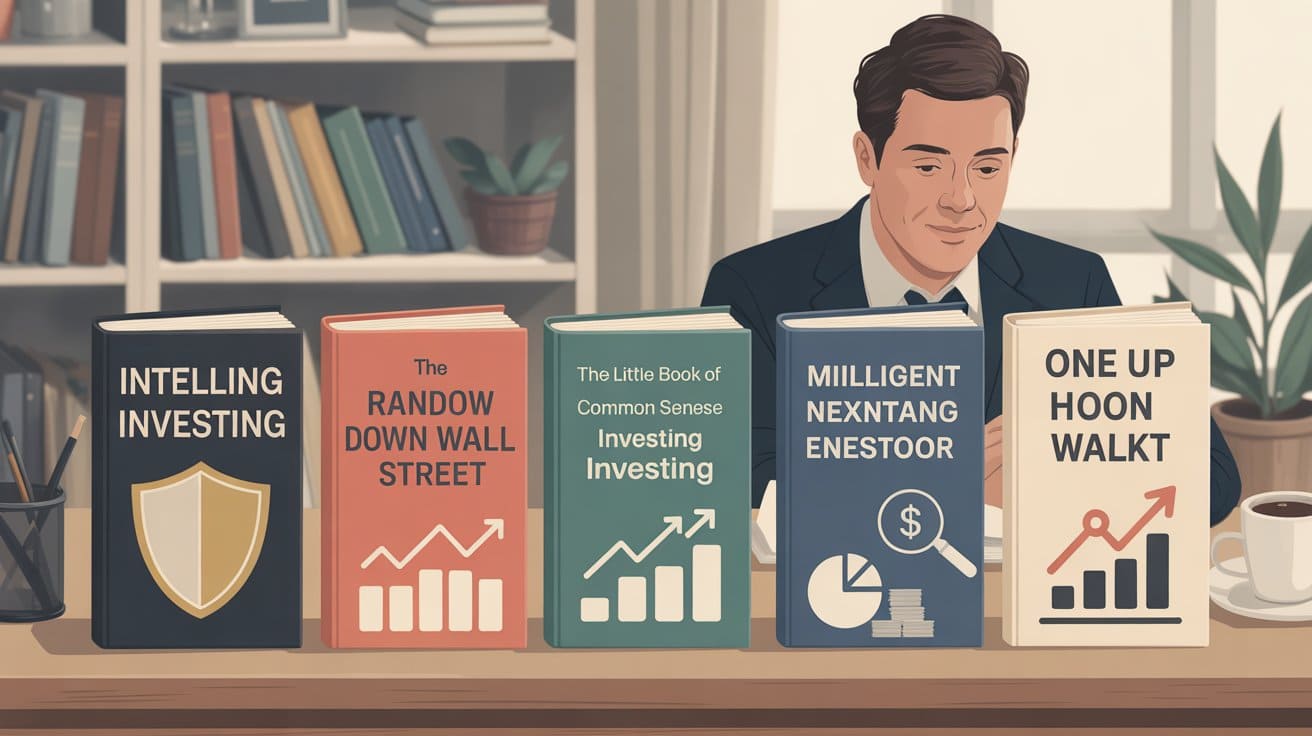
The Intelligent Investor by Benjamin Graham
Published in 1949 with revised editions available, this classic remains essential. Warren Buffett calls it the best investing book ever written. Value investing foundation starts here. The margin of safety concept protects your capital. Mr. Market allegory explains market psychology brilliantly. Defensive versus enterprising investor strategies suit different personalities.
Beginners love this book for clear fundamental principles. Timeless investment wisdom applies across decades. Risk management emphasis prevents costly mistakes. Long-term perspective focus combats short-term thinking. Accessible writing despite impressive depth. Commentary by Jason Zweig adds modern context and examples.
Key takeaways transform investor mindset. Invest with margin of safety always. Distinguish investing from speculation clearly. Market fluctuations create opportunities for prepared investors. Emotional discipline proves essential for success. Business analysis fundamentals guide stock selection. Defensive portfolio construction protects wealth.
A Random Walk Down Wall Street by Burton Malkiel
First published in 1973, this book receives regular updates. Efficient market hypothesis receives clear explanation. Index fund investing advocacy provides practical strategy. Market history and bubbles teach valuable lessons. Various investment strategies undergo thorough analysis. Academic credibility meets accessible writing.
Perfect for learning comprehensive market overview. Evidence-based recommendations guide decisions. Investment myths get thoroughly debunked. Practical passive strategies anyone can implement. Clear writing style maintains reader engagement. Historical context proves valuable for perspective.
Core concepts include market efficiency principles. Index fund advantages become obvious. Active versus passive debate gets settled. Asset allocation importance cannot be overstated. Risk-return relationships determine outcomes. Dollar-cost averaging benefits reduce timing pressure.
The Little Book of Common Sense Investing by John C. Bogle
Vanguard founder shares investment philosophy simply. Index fund investing gets simplified brilliantly. Costs matter enormously to long-term returns. Long-term perspective essential for success. Simple strategies beat complex ones. Data-driven arguments convince skeptics.
Beginner appeal is exceptional. Short, focused read under 200 pages. One clear strategy presented confidently. Easy implementation anyone can follow. Cost-consciousness becomes second nature. Decision paralysis disappears completely. Confidence builds through simplicity.
Main lessons stick forever. Low-cost index funds win long-term. Don't try timing markets ever. Minimize expenses and taxes religiously. Stay the course through inevitable volatility. Diversification through total market exposure. Simplicity reduces costly errors.
The Millionaire Next Door by Thomas J. Stanley
Research-based wealth study surprises readers. Millionaire habits and behaviors get documented. Frugality and discipline emphasized throughout. Wealth accumulation psychology explained clearly. Surprising millionaire profiles challenge assumptions. Lifestyle choices examined thoroughly.
Beginners need this mindset foundation before strategy. Realistic wealth expectations prevent disappointment. Behavioral patterns identified and explained. Spending discipline becomes motivated internally. Long-term thinking encouraged through examples. Relatable stories inspire action.
One Up On Wall Street by Peter Lynch
Former Fidelity Magellan manager shares wisdom. Individual investor advantages get highlighted. "Invest in what you know" simplifies research. Company research becomes accessible to everyone. Stock selection stories entertain and educate. Conversational writing style maintains engagement.
Beginner-friendly features include entertaining narrative approach. Real investment examples illustrate concepts. Personal observation gets encouraged throughout. Stock selection becomes demystified completely. Confidence building happens naturally. Practical research methods anyone can use.
Best Books on Real Estate Investing: Property Wealth Building
Rich Dad Poor Dad by Robert Kiyosaki
Published in 1997, this bestseller transformed thinking worldwide. Financial education philosophy challenges conventional wisdom. Assets versus liabilities concept clarifies decisions. Real estate emphasis provides focus. Cash flow focus guides property selection. Mindset transformation happens gradually.
Real estate relevance remains strong. Property becomes wealth vehicle clearly. Leverage concepts get introduced safely. Passive income strategies provide freedom. Tax advantage awareness saves money. Financial independence through real estate becomes possible. Entrepreneurial thinking gets encouraged.
Key concepts reshape financial approach. Make money work for you always. Acquire income-producing assets consistently. Understand good versus bad debt. Financial literacy proves essential foundation. Think like investor, not employee. Real estate builds lasting wealth.
The Book on Rental Property Investing by Brandon Turner
BiggerPockets platform author provides practical guidance. Rental property guide offers step-by-step implementation. Modern real estate strategies reflect current market. Deal analysis frameworks prevent mistakes. Property management insights save headaches. These best books on real estate investing deliver actionable value.
Strategies become actionable immediately. Real numbers and calculations included. Financing options explained thoroughly. Property selection criteria prevent bad deals. Management systems detailed completely. Scaling strategies build portfolios.
Comprehensive coverage includes finding profitable properties systematically. Analyzing deals accurately protects capital. Financing creative structures maximize returns. Managing tenants effectively reduces stress. Building real estate portfolio methodically. Tax strategies overview saves money.
The Millionaire Real Estate Investor by Gary Keller
Success principles and models get outlined. Think, buy, own, grow framework guides action. Interviews with successful investors inspire. Systematic wealth building becomes achievable. Business approach to real estate professionalizes investing. Long-term strategy focus prevents impulsive decisions.
Investment philosophy treats real estate as business. Systems create repeatable success. Criteria-based buying eliminates emotion. Financial models mastery enables analysis. Team building importance recognized. Multiple property strategies suit different markets.
What Every Real Estate Investor Needs to Know About Cash Flow by Frank Gallinelli
Financial analysis focus sharpens skills. Cash flow calculations detailed exhaustively. Investment returns measured accurately. Time value of money explained. Financing impact analysis prevents surprises. Numbers-driven decisions improve outcomes.
Technical skills taught include net operating income (NOI). Cap rates calculation becomes second nature. Cash-on-cash returns measure performance. Internal rate of return (IRR) compares investments. Property valuation methods prevent overpaying. Financial modeling basics enable analysis.
Long-Distance Real Estate Investing by David Greene
Modern investing strategies leverage technology. Geographic flexibility expands opportunities. Technology gets leveraged effectively. Team building works remotely. Market selection criteria identify opportunities. Virtual property management reduces location constraints.
Contemporary relevance addresses current reality. Not location-limited anymore. Remote investing systems work. Technology tools identified specifically. Team selection process outlined. Multiple market strategies diversify risk. Risk management approaches protect capital.
Advanced Investment Books: Deepening Knowledge
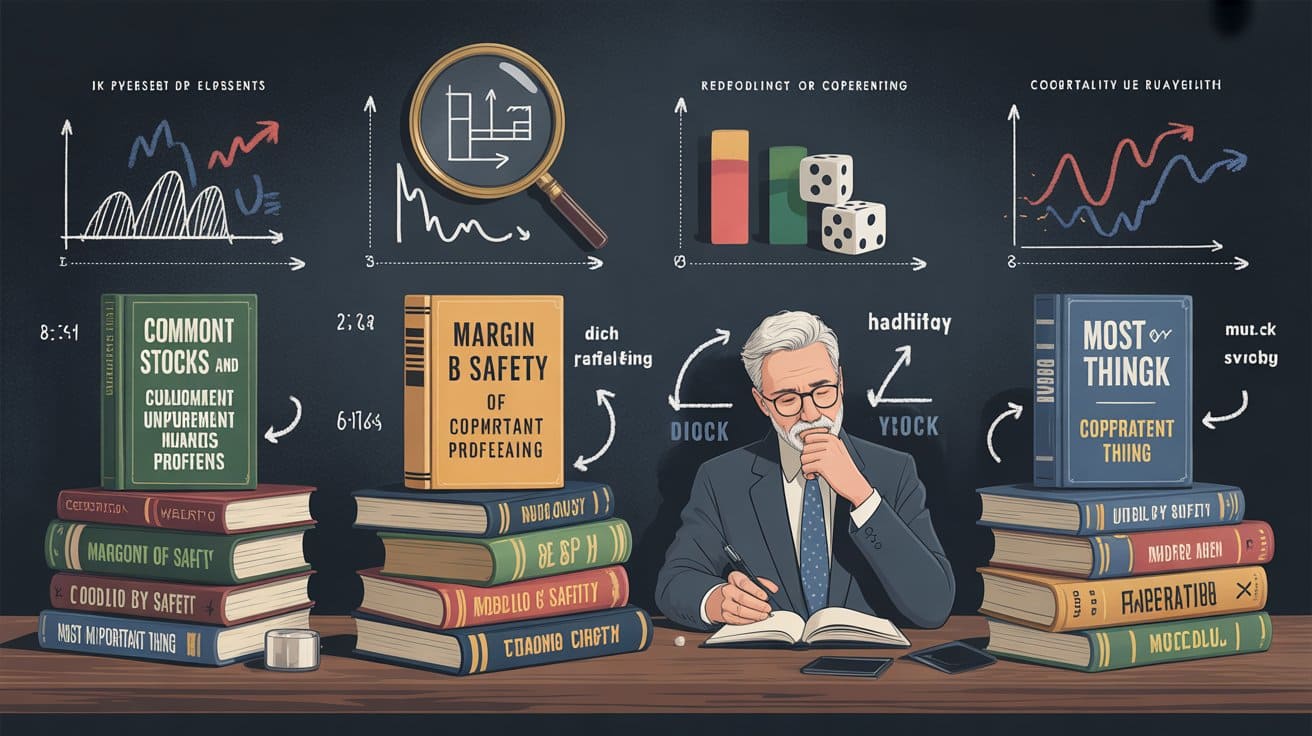
Common Stocks and Uncommon Profits by Philip Fisher
Published in 1958, this timeless classic endures. Growth stock investing gets explained. Scuttlebutt research method teaches investigation. Qualitative analysis emphasis complements numbers. Long-term holding philosophy builds wealth. Warren Buffett cites Fisher's influence.
Advanced concepts include management quality assessment. Competitive advantage analysis identifies moats. Innovation and R&D evaluation predicts future. Profit margin sustainability indicates quality. Industry position analysis reveals strength. When to sell decisions get addressed.
Margin of Safety by Seth Klarman
Out of print, this book remains highly sought. Value investing gets deep exploration. Risk management focus protects capital. Market inefficiency exploitation creates opportunity. Contrarian thinking generates returns. Institutional-level analysis teaches sophistication.
Advanced investors seek sophisticated analysis frameworks. Deep value principles guide decisions. Absolute return focus differs from relative. Risk-first approach protects downside. Patient capital deployment waits for opportunities. Market psychology insights improve timing.
Fooled by Randomness by Nassim Taleb
Probability and investing intersect powerfully. Luck versus skill analysis challenges assumptions. Cognitive biases get exposed thoroughly. Black swan events happen unexpectedly. Risk misunderstanding proves common. Philosophical investment approach deepens thinking.
Critical thinking development questions causation assumptions. Survivorship bias awareness prevents errors. Hidden risk identification protects portfolios. Overconfidence dangers get illustrated. Statistical thinking application improves decisions. Humility in investing proves essential.
The Most Important Thing by Howard Marks
Oaktree Capital founder distills wisdom. Investment philosophy gets explained clearly. Risk understanding emphasized throughout. Market cycle awareness improves timing. Contrarian positioning generates returns. Memo-based wisdom teaches lessons.
Investment wisdom includes second-level thinking. Risk cannot be eliminated completely. Market timing proves impossible consistently. Patient opportunism waits for chances. Psychological discipline determines success. Value orientation guides decisions.
Investment Psychology: Understanding Investor Behavior
Thinking, Fast and Slow by Daniel Kahneman
Nobel Prize winner shares insights. Dual-system thinking explained brilliantly. Cognitive biases catalogued comprehensively. Decision-making psychology revealed. Investment applications become clear. Academic yet accessible writing.
Investment applications include loss aversion impacts. Anchoring affects valuations dangerously. Overconfidence causes costly errors. Herd mentality creates dangers. Mental accounting creates pitfalls. Framing effects prove powerful.
Misbehaving by Richard Thaler
Behavioral economics history unfolds. Traditional finance gets challenged effectively. Real human behavior examined honestly. Nobel Prize research explained accessibly. Practical applications provided. Engaging narrative style maintains interest.
Investor lessons reveal humans aren't rational. Biases prove systematic and predictable. Market inefficiencies get created regularly. Self-awareness becomes crucial skill. Behavioral traps get identified. Better decisions come through understanding.
Your Money and Your Brain by Jason Zweig
Neuroscience meets investing science. Brain responses to money examined. Emotional investing gets explained thoroughly. Practical bias management taught. Wall Street Journal writer shares expertise. Science-based insights ground advice.
Practical value includes understanding emotional reactions. Recognize pattern-seeking errors automatically. Control fear and greed effectively. Develop investor discipline systematically. Implement behavioral guardrails proactively. Improve decision processes continuously.
Modern Portfolio Theory and Passive Investing
The Simple Path to Wealth by JL Collins
Blog-turned-book achieved success deservedly. Financial independence focus inspires action. Index fund simplicity removes confusion. VTSAX emphasis provides specific guidance. Debt freedom gets prioritized. Wealth preservation strategies protect gains.
Among best books to learn about investing, this excels. Conversational, encouraging tone welcomes beginners. One-fund solution presented clearly. Fear gets removed from investing. Step-by-step wealth building outlined. Financial independence roadmap guides journey. Complete beginners find accessibility.
A Wealth of Common Sense by Ben Carlson
Modern portfolio approach reflects research. Evidence-based strategies guide decisions. Behavioral finance gets integrated throughout. Long-term perspective emphasized consistently. Simple strategies beat complex ones. Practical wisdom proves actionable.
Key principles include asset allocation matters most. Market timing attempts prove futile. Costs compound dramatically over time. Behavior determines success ultimately. Diversification remains essential protection. Stay the course discipline wins.
The Little Book of Behavioral Investing by James Montier
Psychological pitfalls get catalogued thoroughly. Investment mistakes documented extensively. Self-awareness strategies taught practically. Process over outcome emphasized. Systematic approach delivers benefits. Bias mitigation techniques work.
Unconventional Success by David Swensen
Yale endowment manager shares approach. Institutional strategies adapted for individuals. Asset allocation framework guides portfolios. Low-cost passive emphasis reduces costs. Rebalancing discipline maintains targets. Long-term positioning builds wealth.
Income-Focused Investment Books
The Single Best Investment by Lowell Miller
Dividend growth investing creates income. Rising income streams combat inflation. Dividend aristocrats provide reliability. Compounding through reinvestment accelerates growth. Lower volatility reduces stress. Retirement income strategy provides security.
Income investor appeal includes cash flow generation. Inflation protection gets built-in naturally. Quality company selection reduces risk. Dividend safety analysis prevents cuts. Long-term wealth building continues. Passive income creation enables freedom.
Get Rich with Dividends by Marc Lichtenfeld
Dividend investing strategies outlined clearly. The 10-11-12 System explained specifically. Income and growth get combined effectively. Practical selection criteria guide choices. Portfolio construction guidance helps beginners. Reinvestment power gets demonstrated convincingly.
Dividend Growth Machine by Nathan Winklepleck
Dividend growth philosophy explained thoroughly. Company analysis framework teaches evaluation. Portfolio management strategies maintain quality. Tax efficiency considerations maximize returns. Risk management approaches protect capital. Long-term compounding focus builds wealth.
Learning from Legendary Investors
The Snowball: Warren Buffett and the Business of Life
Authorized Buffett biography reveals journey. Investment philosophy evolution documented. Life lessons and wisdom shared. Business insights run deep. Personal and professional journey combined. Partnership years to Berkshire covered.
Investment lessons include compound interest power. Circle of competence importance prevents mistakes. Patient capital deployment waits for opportunities. Business quality focus identifies winners. Long-term thinking proves essential. Integrity in business builds reputation.
More Money Than God by Sebastian Mallaby
Hedge fund industry history traced. Manager profiles and strategies examined. Market impact gets assessed thoroughly. Boom and bust cycles documented. Innovation in finance continues. Risk-taking analysis reveals patterns.
When Genius Failed by Roger Lowenstein
Long-Term Capital Management collapse examined. Risk management lessons prove valuable. Leverage dangers become obvious. Model limitations get exposed. Market crisis dynamics revealed. Hubris and failure teach humility.
Cautionary lessons show models aren't reality. Leverage magnifies risk dangerously. Diversification limits exist clearly. Black swans happen unexpectedly. Humility proves essential virtue. Risk management becomes critical.
The Big Short by Michael Lewis
2008 financial crisis story told. Contrarian thinking gets rewarded eventually. Market inefficiency exposed dramatically. Research importance demonstrated clearly. Independent analysis proves valuable. Narrative excellence engages readers.
Creating Your Personal Investment Book Collection
Recommended Reading Order
Beginner Path (Months 1-6):
The Simple Path to Wealth provides foundation and encouragement. The Little Book of Common Sense Investing teaches passive strategy. The Intelligent Investor explains value principles thoroughly. A Random Walk Down Wall Street builds market understanding. The Millionaire Next Door develops wealth mindset.
Intermediate Path (Months 6-12):
One Up On Wall Street teaches stock selection. Common Stocks and Uncommon Profits covers growth investing. Your Money and Your Brain addresses psychology. The Most Important Thing shares advanced philosophy. Unconventional Success guides portfolio construction.
Real Estate Focus:
Rich Dad Poor Dad establishes mindset foundation. The Book on Rental Property Investing provides practical strategies. The Millionaire Real Estate Investor teaches systems approach. What Every Real Estate Investor Needs to Know About Cash Flow sharpens analysis.
How to Read Investment Books Effectively
Active reading strategies improve retention. Take notes and highlight key concepts. Create personal summaries after each chapter. Apply concepts to real situations immediately. Discuss ideas with other investors regularly. Reread classics periodically for deeper understanding. Build reference system for key insights.
Implementation focus drives results. Extract one actionable takeaway per book. Test strategies with small amounts initially. Track what works for your situation. Adjust approach based on actual results. Combine multiple perspectives thoughtfully. Develop personal investment philosophy gradually.
Balancing Classic and Modern Books
Timeless classics deserve 60% of reading time. Fundamental principles endure across decades. Battle-tested wisdom proves reliable. Foundation building remains essential. Market cycles repeat patterns. Human nature stays constant.
Modern books merit 40% of reading time. Technology changes investing landscape. New markets emerge regularly. Regulation evolves continuously. Contemporary examples clarify concepts. Current data and research inform decisions. Platform and tool awareness helps implementation.
Supplementing Books with Other Resources
Complementary learning accelerates progress. Investment blogs and podcasts provide updates. Company annual reports teach analysis. Financial news sources track developments. Online courses and webinars add depth. Investment community forums enable discussion. Academic research papers ground understanding. Professional advisor guidance personalizes strategy.
Investment Book Selection Pitfalls
Red Flags in Investment Books
Warning signs indicate questionable quality. Guaranteed returns get promised unrealistically. "Secret" strategies claim revelation. Get-rich-quick messaging misleads readers. Single strategy supposedly solves everything. No discussion of risks appears anywhere. Author credentials seem questionable. Outdated information predates 2000s for modern strategies. Excessive promotional content dilutes value.
Balancing Different Perspectives
Diverse viewpoints create understanding. Active versus passive investing debates continue. Value versus growth approaches differ fundamentally. Technical versus fundamental analysis serve different purposes. Long-term versus short-term perspectives shape decisions. Conservative versus aggressive styles suit different personalities. Domestic versus international allocation varies.
Creating balanced understanding requires reading opposing viewpoints. Understand multiple strategies thoroughly. Recognize personal fit differences honestly. Avoid dogmatic thinking rigidly. Adapt principles to your circumstances. Maintain intellectual flexibility always.
Free and Low-Cost Book Resources
Access books affordably through multiple channels. Public library systems offer extensive collections. Used book marketplaces provide discounts. E-book sales and promotions reduce costs. Audiobook subscriptions enable learning anywhere. Book swaps with investors share resources. Employer education benefits cover purchases. Academic library access opens collections.
Specialized Investment Book Categories
International and Emerging Markets
"The Little Book of Emerging Markets" by Mark Mobius explores opportunities. "Investing in the Age of Sovereign Defaults" by Jerome Booth addresses risks. Geographic diversification strategies reduce concentration. Currency risk management protects returns. Political risk assessment prevents losses.
Options and Derivatives
"Options as a Strategic Investment" by Lawrence McMillan teaches comprehensively. "Option Volatility and Pricing" by Sheldon Natenberg covers theory. Advanced strategy education enables sophisticated approaches. Risk management techniques limit downside. Hedging strategies protect portfolios.
Cryptocurrency and Digital Assets
"The Bitcoin Standard" by Saifedean Ammous explains foundation. Blockchain technology understanding becomes essential. Digital asset allocation remains controversial. Emerging asset class education continues. Risk considerations prove significant.
Sustainable and ESG Investing
"The Impact Investor" by Jed Emerson guides values-based investing. Environmental considerations influence decisions. Social impact measurement quantifies results. Governance factors assess management quality.
Teaching Investing to the Next Generation
Books for Young Investors
Age-appropriate options build foundation early. "The Richest Man in Babylon" suits teens and up. "I Will Teach You to Be Rich" by Ramit Sethi helps young adults. "Broke Millennial Takes On Investing" by Erin Lowry guides millennials specifically.
Financial literacy foundation starts young. Start investing habits early for compound time advantage. Simple concepts come first naturally. Age-appropriate complexity prevents overwhelm. Encouraging financial independence builds confidence. Building knowledge early creates advantages.
Family learning enhances education. Read together and discuss concepts. Practice with small amounts safely. Track investments jointly for learning. Celebrate learning milestones together. Encourage questions always. Model good behavior consistently.
Building Wealth Through Reading: Your Investment Education Journey
Best investing books transform knowledge into action. Multiple categories and expertise levels ensure everyone finds guidance. Start with beginner foundations before advancing. These best books on investing provide comprehensive education across stock market investing, real estate strategies, behavioral finance, and wealth building principles. Continuous learning separates successful investors from others.
Choose three best investing books from this list and begin reading this month. Match selections to your experience level and goals. Best investing books for beginners build essential foundation. Real estate investors find specialized guidance here. Advanced readers discover sophisticated strategies. Reading systematically accelerates your investment education journey.
Download an investing book reading tracker to monitor progress through essential titles. Implement key concepts as you learn them. Build your investment library strategically over time. The best books to learn about investing await your attention. Start your wealth-building education today through strategic reading.
Frequently Asked Question:
1. What is the best investing book for complete beginners?
The Simple Path to Wealth by JL Collins and The Little Book of Common Sense Investing by John Bogle are ideal starting points. Both explain index fund investing clearly, remove intimidation, and provide actionable steps anyone can follow immediately.
2. Are old investing books still relevant today?
Yes, classic investing books remain highly relevant. The Intelligent Investor and Common Stocks and Uncommon Profits teach timeless principles about value investing, risk management, and market psychology that apply regardless of technology changes or market conditions today.
3. Which investing books does Warren Buffett recommend?
Warren Buffett consistently recommends The Intelligent Investor by Benjamin Graham as the best investing book ever written. He also praises Common Stocks and Uncommon Profits by Philip Fisher and suggests reading Berkshire Hathaway's annual shareholder letters for investment wisdom.
4. How many investing books should I read before investing?
Read at least three to five foundational books before investing significant money. Start with beginner books covering basic principles, then add books matching your investment goals. Continue reading throughout your investing journey to expand knowledge and refine strategies.
5. What are the best books for learning real estate investing?
The Book on Rental Property Investing by Brandon Turner offers practical strategies, while Rich Dad Poor Dad by Robert Kiyosaki provides mindset foundation. The Millionaire Real Estate Investor by Gary Keller teaches systematic approaches to building property portfolios successfully.