
Zombies in China represent a fascinating evolution in entertainment that spans centuries of folklore to cutting-edge modern media. Chinese zombie culture offers distinctive interpretations that differ significantly from Western traditions, creating unique horror experiences for global audiences. From the legendary hopping jiangshi of ancient tales to contemporary zombie survival games dominating mobile platforms, zombies in China captivate fans through films, gaming, literature, and pop culture phenomena. Whether you're a horror enthusiast, gaming fan, or cultural explorer, this comprehensive guide reveals how zombies in China bridge traditional mythology with modern entertainment, creating unforgettable experiences that resonate across the globe.
Understanding Chinese Zombie Mythology
Jiangshi - The Chinese Hopping Vampire
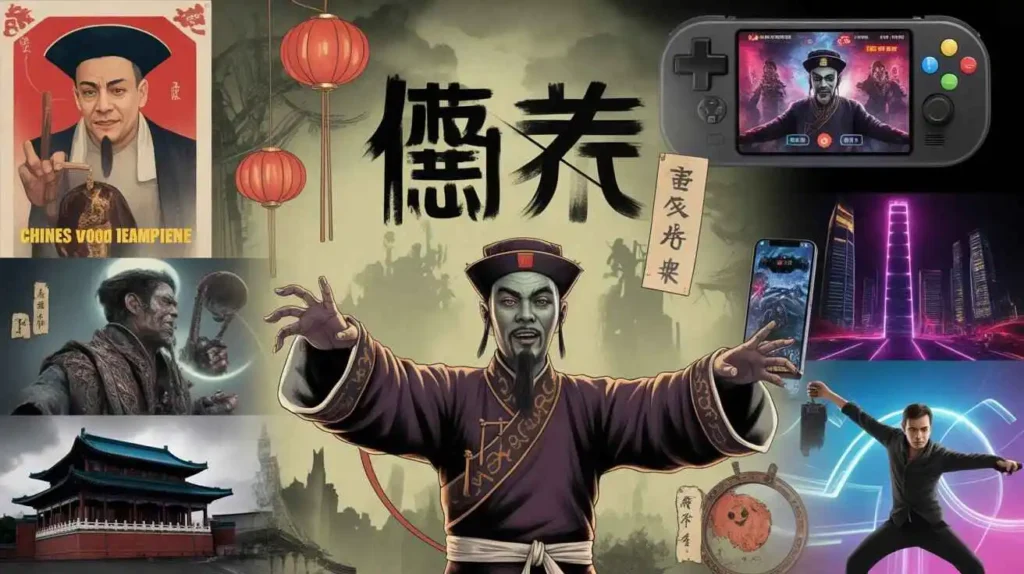
The jiangshi Chinese vampire represents one of the most distinctive creatures in Asian horror traditions. The term jiangshi (僵尸) literally translates to "stiff corpse," describing the creature's rigid, vertical posture. These supernatural beings originated in Qing Dynasty folklore, becoming deeply embedded in Chinese mythology creatures over centuries. The most recognizable characteristic of jiangshi remains their unique hopping movement, resulting from rigor mortis that keeps their bodies completely stiff. Traditional depictions show them dressed in Qing dynasty official robes, arms outstretched forward, with yellow paper talismans affixed to their foreheads by Taoist priests to control their movements. This imagery has become iconic in zombies in chinese culture, distinguishing them dramatically from their Western counterparts.
Cultural Origins and Folklore
Chinese zombie folklore roots itself deeply in traditional spiritual beliefs and practices. Ancient stories tell of corpses reanimated through disrupted spiritual energy, known as qi in Chinese philosophy. The legends connect strongly to Taoist traditions, which emphasized balance between life and death forces. Historical accounts describe corpse herders who supposedly transported deceased bodies across long distances back to ancestral homes for proper burial—giving rise to tales of hopping corpses traveling at night. Imperial era burial customs and beliefs about honoring the dead influenced these supernatural reanimation stories, creating a rich tapestry of folklore traditions that continue inspiring modern entertainment.
Read More: Human Metapneumovirus HMPV China: 2026 Complete GuideJiangshi vs Western Zombies
Several key differences distinguish chinese zombie folklore from Western zombie concepts. Jiangshi move through distinctive hopping locomotion rather than the shuffling walk of Western undead creatures. Control methods differ dramatically—Taoist magic and paper talismans subdue jiangshi, while Western zombies typically require headshots or destroying the brain. Jiangshi detect prey through breath rather than seeking flesh to consume. The cultural spiritual context surrounding jiangshi emphasizes respect for ancestors and proper burial rites, contrasting with modern horror narratives about viral infection or apocalyptic scenarios. Importantly, chinese zombie movies frequently incorporate comedic elements alongside horror, creating entertainment that blends genres in ways Western productions rarely attempt.
Iconic Chinese Zombie Films
Classic Hong Kong Zombie Cinema
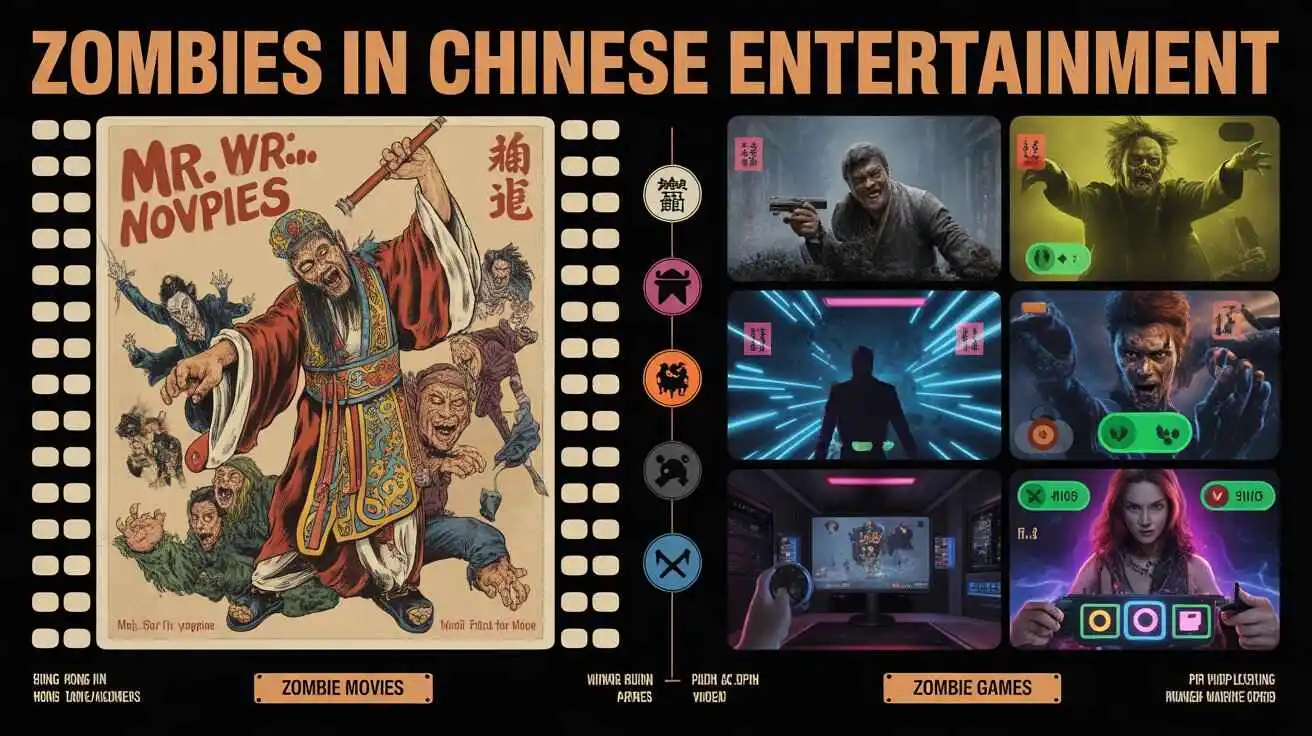
Mr. Vampire Series (1985-1992): The Mr. Vampire franchise sparked the explosive jiangshi film craze of the 1980s and 1990s. These films masterfully blended horror, comedy, and martial arts action into crowd-pleasing entertainment. Lam Ching-ying became the iconic face of the genre, portraying the knowledgeable Taoist priest whose skills protected communities from supernatural threats. The series influenced an entire generation of filmmakers and established conventions that chinese zombie movies still reference today. As a box office phenomenon, Mr. Vampire demonstrated the commercial viability of horror-comedy hybrids. Its cultural impact extended far beyond cinema, shaping how audiences perceived traditional folklore for decades.
Encounters of the Spooky Kind (1980): Martial arts legend Sammo Hung directed and starred in this groundbreaking film that predated the Mr. Vampire explosion. This horror-comedy combined supernatural thrills with spectacular kung fu choreography, establishing genre conventions that later films would refine. The movie demonstrated how traditional Chinese supernatural elements could enhance martial arts entertainment, creating something distinctively different from Western horror.
The Era of Vampires (2003): Producer Tsui Hark brought his signature visual style to this modern interpretation of traditional jiangshi stories. Featuring elaborate martial arts choreography and high production values, the film showcased how classic folklore could receive contemporary cinematic treatment while respecting source material.
Modern Chinese Zombie Films
Contemporary chinese horror films continue evolving the zombie genre in innovative directions. Rigor Mortis (2013) offered a dark, atmospheric reimagining of jiangshi cinema, trading comedy for psychological horror while honoring the legacy of classic films. Vampire Cleanup Department (2017) returned to comedy roots with a modern sensibility, featuring young protagonists protecting Hong Kong from supernatural threats. International influences appear increasingly in productions, with films incorporating elements from Korean hits like The Wailing. Cross-cultural zombie narratives reflect globalization's impact on entertainment, while streaming platforms invest in original productions that blend traditional and contemporary storytelling approaches.
Chinese Takes on Western Zombies
China has embraced Western zombie concepts alongside traditional jiangshi stories. Resident Evil adaptations find enthusiastic audiences across Chinese cities. Local filmmakers produce chinese zombie movies featuring apocalyptic scenarios inspired by global trends while incorporating distinctly Chinese settings and cultural elements. Hollywood co-productions bring international stars and budgets to Chinese zombie narratives. The pandemic era sparked renewed interest in zombie apocalypse themes, with productions exploring survival scenarios through culturally specific lenses.
China Zombie Games and Interactive Entertainment
Popular Chinese Zombie Video Games
Mobile Gaming: China's massive mobile gaming market leads global zombie entertainment on smartphones. PlayerUnknown's Battlegrounds Mobile features zombie modes that attract millions of players. Call of Duty Mobile's Chinese versions include localized zombie content tailored to regional preferences. Chinese developers create zombie survival games specifically for mobile platforms, understanding that most gamers access content through phones. Social gaming integration allows friends to survive together, building communities around shared zombie experiences.
PC and Console Games: The Resident Evil series maintains devoted followings among Chinese gamers, with each new installment generating massive excitement. Left 4 Dead built a substantial Chinese player base through cooperative zombie shooting action. Dying Light's parkour-infused zombie survival attracted fans seeking innovation. Dead by Daylight's asymmetric multiplayer found success on Chinese servers. State of Decay's community management mechanics resonated with strategy-minded players. The Zombie Army series brings alternate-history zombie warfare to Chinese audiences.
Chinese-Developed Titles: Bright Memory: Infinite demonstrated that Chinese indie developers could create world-class zombie action experiences, earning international acclaim. Lost Soul Aside generates anticipation with its stylish combat against supernatural enemies. Chinese zombie game developers increasingly produce content that competes globally while incorporating cultural elements that distinguish their work. The growing local game development industry receives investment and talent, leading to higher-quality productions. International recognition for chinese gaming achievements continues expanding as studios prove their creative capabilities.
Online Gaming and Esports
Competitive zombie mode tournaments attract skilled players seeking recognition and prizes. Streaming culture around china zombie games thrives on platforms like Douyin (Chinese TikTok) and Bilibili, where gamers share strategies, highlights, and entertainment. Professional esports organizations incorporate zombie game modes into competitive circuits, creating career opportunities for talented players.
VR and Emerging Technologies
Virtual reality zombie experiences deliver unprecedented immersion, placing players directly into undead encounters. Arcade zombie shooting games remain popular entertainment in urban centers, offering social gaming experiences. Location-based entertainment venues create elaborate zombie scenarios using advanced technology. Theme park zombie attractions draw crowds seeking thrilling physical experiences. This immersive entertainment sector continues growing as technology becomes more accessible and sophisticated.
Chinese Zombie Pop Culture Phenomena
Television and Streaming Content
Chinese Zombie TV Shows: Fantasy and historical dramas frequently incorporate jiangshi as antagonists or plot elements, introducing traditional folklore to younger generations. Modern supernatural series reimagine chinese mythology creatures for contemporary audiences. Web series and online content producers create zombie entertainment specifically for streaming consumption. Platform original productions invest in high-quality zombie narratives that compete with international content. Youth-oriented supernatural shows blend romance, comedy, and horror to attract broad demographics.
International Content Popularity: Train to Busan became a cultural phenomenon in China, with audiences appreciating the Korean film's emotional depth alongside zombie action. Kingdom, the Korean historical zombie series, built passionate Chinese fanbases through its innovative period setting. The Walking Dead attracted Chinese viewers throughout its run, demonstrating appetite for long-form zombie narratives. Netflix zombie content reaches Chinese audiences through various access methods, contributing to global entertainment consumption patterns.
Literature and Comics
Chinese zombie fiction novels explore themes from traditional folklore to futuristic scenarios. Manhua (Chinese comics) feature zombie storylines with distinctive artistic styles. Online literature platforms host thousands of zombie stories catering to diverse reader preferences. Light novels incorporate zombie elements into fantasy and science fiction narratives. International zombie fiction reaches Chinese readers through translation efforts. Fan fiction communities generate creative zombie content inspired by favorite characters and worlds.
Social Media and Internet Culture
Zombie memes circulate throughout Chinese internet spaces, adapting global trends with local humor. Weibo hosts discussions about zombie entertainment trends and recommendations. Douyin users create zombie challenges that go viral across the platform. The cosplay community produces elaborate zombie costumes and performances. Fan art showcasing chinese zombie movies and games demonstrates creative talents. Viral zombie videos capture comedic or impressive moments that entertain millions.
Music and Performance Art
Music videos occasionally incorporate zombie themes for visual impact and storytelling. Horror-themed performances by idol groups attract attention during Halloween season. Dance challenges set to zombie-related content spread across social media. Halloween celebrations continue growing in Chinese urban centers, featuring zombie-themed parties and events. Theme parks produce zombie entertainment shows combining stunts, makeup effects, and narrative. Live performance art explores zombie metaphors for social commentary.
Understanding Zombies in Chinese Culture
Traditional vs Modern Interpretations
Historical Context: Ancient folklore roots provide the foundation for understanding zombies in chinese culture today. Taoist philosophical connections emphasize balance between natural and supernatural forces. Traditional Chinese beliefs about death and the afterlife shaped how communities understood reanimation. Respect for ancestors remains central to Chinese cultural values, influencing how zombie stories convey moral lessons. Historical burial customs directly inspired jiangshi folklore about improperly laid-to-rest dead. The supernatural worldview prevalent in imperial China normalized tales of spiritual entities and reanimated corpses.
Modern Entertainment Evolution: Western influence has integrated with traditional concepts, creating hybrid entertainment forms. Global horror genre participation allows Chinese creators to contribute distinctive perspectives while learning from international successes. Local cultural adaptation ensures that even Western-style zombie content reflects Chinese sensibilities and values. Generational gaps exist in zombie perception, with older audiences preferring traditional jiangshi while youth embrace apocalyptic scenarios. Urban populations typically engage more with zombie entertainment compared to rural communities where folklore traditions remain stronger.
Symbolism and Themes
In Traditional Jiangshi Stories: Folklore conveyed moral lessons about providing proper burial for the deceased. Stories emphasized showing appropriate respect for the dead and honoring ancestors. Consequences of disturbing the rest of corpses served as warnings against desecration. Taoist magic and wisdom represented knowledge and spiritual cultivation protecting communities. Social commentary often appeared in folklore, using supernatural tales to critique contemporary issues.
In Modern Chinese Zombie Media: Contemporary productions use zombies as metaphors for social pressure and conformity. Urban isolation themes resonate with city dwellers experiencing disconnection despite population density. Zombie hordes represent commentary on mindless conformity and loss of individuality. Economic anxiety finds expression through survival scenarios requiring resource management. Pandemic-era productions gained relevance as audiences connected zombie narratives to real-world experiences with disease and quarantine.
Censorship and Content Regulations
Chinese media operates within content guidelines that affect how supernatural elements appear in productions. Horror genre limitations mean creators develop workarounds to tell desired stories while meeting regulations. International versions of films and games sometimes differ from domestic Chinese releases. Gaming content modifications ensure compliance while preserving entertainment value. Understanding these realities helps audiences appreciate the creativity filmmakers and developers demonstrate working within regulatory frameworks.
Cultural Festivals and Events
Halloween celebrations have grown significantly in major Chinese cities, with zombie themes featuring prominently. Horror film festivals showcase chinese horror films alongside international entries. Gaming conventions dedicate significant space to zombie titles and related merchandise. Cosplay events feature impressive jiangshi and modern zombie character recreations. Tourism attractions incorporate zombie themes to attract visitors seeking entertainment experiences.
Accessing Zombie Content in China
Movie Viewing Options
Theatrical Releases: Major cinema chains screen zombie films from Chinese and international studios. Horror film releases generate excitement among genre fans who appreciate big-screen experiences. Chinese zombie movie premieres become cultural events drawing media attention. Film festival screenings offer opportunities to see classics and rare titles. IMAX and premium formats provide enhanced viewing for blockbuster zombie productions.
Streaming Platforms: iQiyi hosts extensive horror content including classic and modern chinese zombie movies. Tencent Video offers selections spanning decades of zombie cinema. Youku provides access to beloved franchises and new releases. VIP memberships unlock premium content and early access to anticipated titles.
Gaming Access
Where to Play: Steam China platform offers curated selections of zombie games meeting regulatory requirements. WeGame, Tencent's gaming platform, provides access to popular titles with Chinese language support. Mobile app stores feature countless china zombie games optimized for smartphone play. Console gaming availability continues expanding as more international titles receive Chinese releases. PC cafe culture allows gamers to experience high-end titles without expensive home equipment. Online gaming communities connect players for cooperative survival experiences.
Popular Gaming Venues: Internet cafes equipped with zombie games create social gaming environments. VR arcade locations deliver immersive zombie experiences unavailable at home. Gaming cafes combine quality equipment with food and social spaces. Esports arenas host tournaments and viewing parties for competitive zombie gaming. Home gaming setups increasingly rival commercial venues as equipment becomes more affordable.
Physical Locations and Experiences
Theme Parks and Attractions: Universal Studios Beijing features horror attractions that may incorporate zombie elements seasonally. Halloween Horror Nights experiences bring world-class zombie scares to Chinese audiences. Haunted houses throughout major cities create zombie scenarios for thrill-seekers. Escape rooms design zombie-themed puzzles and narratives for groups. Interactive entertainment venues produce elaborate zombie experiences combining technology and live performance.
Events and Conventions: Shanghai International Film Festival screens genre films including zombie cinema. ChinaJoy gaming expo showcases upcoming china zombie games with playable demos. Comic conventions attract fans of zombie media across multiple entertainment formats. Horror-themed events gather communities of enthusiasts to celebrate the genre. Halloween parties in major cities feature zombie costumes, entertainment, and themed activities.
Chinese Zombie Entertainment Industry
Filmmaking and Production
Industry Development: The Chinese horror film industry grows steadily as audiences demonstrate appetite for quality genre productions. International co-productions combine Chinese stories with global expertise and budgets. An independent filmmaker scene creates innovative low-budget zombie content outside major studio systems. Special effects advancement allows Chinese productions to compete visually with international standards. Production companies increasingly invest in horror properties seeing commercial potential. Emerging directors bring fresh perspectives to traditional folklore and modern zombie scenarios.
Challenges and Opportunities: Navigating content regulations requires creativity to tell compelling stories within guidelines. International distribution provides revenue opportunities and cultural exchange. Budget considerations affect production scope, but creative teams maximize resources. Talent development through film schools and industry mentorship strengthens future capabilities. Balancing creative freedom with commercial viability and regulatory compliance remains an ongoing challenge producing interesting artistic compromises.
Game Development Scene
Chinese Gaming Industry: China's rapidly growing development sector produces increasingly sophisticated titles. The mobile-first approach reflects how most Chinese gamers access content. International success stories like Bright Memory demonstrate Chinese developers can compete globally. Technical innovation in graphics, artificial intelligence, and network infrastructure advances rapidly. Investment in gaming studios from both domestic and international sources fuels growth. Independent developers create experimental zombie experiences exploring creative possibilities.
Notable Developers: Tencent's gaming divisions produce and publish major zombie titles. NetEase game studios develop properties combining Western mechanics with Chinese aesthetics. Independent developers gain recognition through digital distribution platforms. International partnerships bring Chinese creativity to global audiences. Publishing opportunities through major platforms help studios find commercial success.
Content Creators and Influencers
Gaming streamers and content creators build careers entertaining audiences with zombie gameplay. Film reviewers and critics analyze chinese zombie movies, guiding audience choices. Horror content creators develop followings by covering the genre comprehensively. Bilibili's content ecosystem supports diverse entertainment creators with monetization and community features. Douyin entertainment creators produce short-form zombie content that goes viral. The growing creator economy allows passionate fans to become professional entertainers.
Chinese Zombie Merchandise and Fandom
Collectibles and Products
Available Merchandise: Movie memorabilia and posters from classic chinese horror films become valuable collectibles. Video game collectibles include figures, art books, and limited editions. Action figures and statues recreate iconic jiangshi and modern zombie characters with impressive detail. Jiangshi-themed products range from toys to home décor celebrating folklore. Cosplay costumes and accessories enable fans to embody favorite characters. Art books and making-of materials provide insights into production processes.
Where to Buy: Taobao offers vast selections of zombie merchandise from numerous vendors. JD.com features entertainment products with reliable shipping and quality guarantees. Specialty stores in major cities cater to collectors seeking rare items. Convention vendor halls provide opportunities to discover unique merchandise and meet fellow fans. Online international retailers ship globally for fans seeking specific products. Official studio stores sell authentic merchandise supporting creators directly.
Cosplay Community
Popular zombie cosplay characters from films and games appear at every major convention. Traditional jiangshi costumes honor folklore with authentic period details and makeup. Gaming character recreations showcase impressive craftsmanship and attention to detail. Convention participation allows cosplayers to compete and network with community members. Social media platforms enable cosplayers to share work and build followings. Competition events judge creativity, accuracy, and performance bringing recognition to talented artists.
Fan Community Activities
Online forums and discussion groups connect enthusiasts sharing recommendations and analysis. Fan translations and subtitles make international zombie content accessible to Chinese audiences. Fan art and creative works celebrate favorite characters and stories. Meetups and viewing parties create social experiences around zombie entertainment releases. Gaming clans and guilds organize cooperative play and competitive teams. Social media fan pages aggregate news, content, and community discussions.
What's Next for Chinese Zombie Entertainment
Upcoming Releases and Projects
Anticipated Films: Announced Chinese zombie productions generate excitement among genre fans. International collaborations in development promise high-budget productions combining creative visions. Sequel possibilities for successful films suggest expanded universes and continuing stories. Remake projects may update classic chinese zombie movies with modern production techniques. Streaming platforms commission original films exclusive to their services.
Gaming Industry Developments: Next-generation china zombie games will leverage improved hardware capabilities. Chinese AAA game development ambitions suggest blockbuster titles on the horizon. Mobile gaming innovations continue pushing technical boundaries on smartphones. VR and AR zombie experiences will become more sophisticated and accessible. Cross-platform gaming growth allows players to connect regardless of device.
Industry Trends
Growing Markets: Youth audiences expand as younger generations embrace zombie entertainment enthusiastically. International audience interest in Chinese content creates export opportunities. Premium content demand encourages investment in high-quality productions. Technology integration enhances storytelling and gameplay possibilities. Cultural exchange through entertainment increases as global audiences discover chinese zombie movies and games.
Creative Evolution: Blending traditional and modern elements creates distinctive entertainment celebrating heritage while innovating. Genre fusion experiments combine zombie content with romance, comedy, science fiction, and other categories. Higher production values reflect industry maturation and increased investment. International collaboration growth brings diverse perspectives to Chinese zombie narratives. Original intellectual property development establishes valuable franchises for long-term exploitation.
Global Influence
Chinese zombie content increasingly reaches international audiences through streaming platforms and digital distribution. Cultural exchange through entertainment fosters understanding and appreciation across borders. Asian horror genre prominence reflects quality and innovation attracting global fans. Streaming platforms provide global distribution that was impossible in previous eras. Gaming industry leadership positions China as a major creative force shaping zombie entertainment worldwide.
Celebrating Zombie Entertainment
Cultural Appreciation
Respecting folklore origins ensures traditional stories receive appropriate treatment in modern adaptations. Understanding cultural context enriches appreciation of why chinese zombie movies differ from Western productions. Appreciating creative evolution recognizes how entertainment forms develop over time. Supporting the Chinese entertainment industry through legal content consumption helps creators continue producing quality work. Cross-cultural entertainment enjoyment celebrates diversity in how different societies interpret similar themes.
Getting Started as a Fan
Begin your journey with classic Mr. Vampire films establishing the jiangshi genre's foundations. Explore modern zombie games on mobile platforms accessible to most entertainment fans. Join online fan communities connecting with enthusiasts sharing recommendations and discussions. Attend local events when possible to experience zombie entertainment in social settings. Follow Chinese entertainment news to stay informed about upcoming releases. Support legal content access ensuring creators receive compensation for their work.
Community Engagement
Participate in discussions sharing your perspectives and learning from others. Share recommendations helping fellow fans discover quality zombie entertainment. Create fan content expressing creativity and passion for the genre. Attend conventions meeting creators and fellow enthusiasts in person. Support creators through purchases, subscriptions, and positive promotion. Promote cultural understanding by educating others about the rich traditions behind zombies in chinese culture.
Explore the World of Zombies in China
Zombies in China offer a unique entertainment perspective spanning ancient folklore to cutting-edge modern media. Rich cultural history meets contemporary storytelling across films, gaming, literature, and pop culture. Diverse content ensures every fan finds something appealing, whether preferring traditional jiangshi or apocalyptic survival scenarios. Chinese zombie entertainment continues evolving, creating exciting experiences that captivate global audiences. From iconic chinese zombie movies to innovative china zombie games, this vibrant entertainment landscape invites exploration and celebration.
Dive into zombies in China entertainment by watching classic jiangshi films like Mr. Vampire, playing popular mobile zombie games, and joining online communities celebrating this fascinating cultural phenomenon!
Frequently Asked Questions About Zombies in China
Q: What is a jiangshi and how is it different from Western zombies?
A jiangshi is a traditional Chinese "hopping vampire" from folklore that moves by hopping due to rigor mortis, wears Qing dynasty robes, and is controlled by Taoist talismans. Unlike Western zombies that shuffle and eat flesh, jiangshi detect victims through breath and represent spiritual rather than viral threats.
Q: What are the best Chinese zombie movies to watch first?
Start with Mr. Vampire (1985), the iconic horror-comedy that launched the jiangshi film craze. Then watch Rigor Mortis (2013) for a darker modern interpretation, and Vampire Cleanup Department (2017) for contemporary comedy. These films showcase the evolution of chinese zombie movies from classic to modern styles.
Q: Are there popular zombie games in China?
Yes, China has a massive zombie gaming market. PUBG Mobile and Call of Duty Mobile feature popular zombie modes, while Chinese-developed titles like Bright Memory: Infinite gained international acclaim. Mobile zombie games dominate due to China's smartphone-first gaming culture, with millions of active players enjoying survival experiences daily.
Q: Why do Chinese zombies hop instead of walk?
The hopping movement comes from traditional folklore explaining rigor mortis making corpses stiff. Ancient stories described corpse herders transporting bodies home for burial, with the deceased maintaining rigid posture. This distinctive locomotion became the defining characteristic of jiangshi in chinese zombie folklore, separating them from shuffling Western zombies.
Q: Where can I experience zombie entertainment in China?
Watch chinese zombie movies on streaming platforms like iQiyi, Tencent Video, and Youku. Play zombie games through Steam China, WeGame, or mobile app stores. Visit theme parks like Universal Studios Beijing for horror attractions, attend ChinaJoy gaming expo, or explore zombie-themed escape rooms and haunted houses in major cities.