

Every January, millions of people worldwide commit to transforming their health. We pledge to lose weight, exercise more, eat better, and finally become the healthiest version of ourselves. Yet research reveals a sobering truth: only about 25% of people stay committed to their resolutions after just 30 days, and less than 10% accomplish their goals. Nearly 80% of resolutions are abandoned by February, earning the second Friday of January the nickname "Quitter's Day."
These statistics aren't meant to discourage you—they're meant to redirect you. The problem isn't with your willpower or determination. The issue lies in how we approach health goals 2026. Most people set ambitious, vague targets without the evidence-based strategies needed to support lasting change. This year can be different.
An evidence-based approach to health goals 2026 matters because it's grounded in scientific research rather than trending fads or wishful thinking. When you align your goals with proven strategies, you're not just hoping for results—you're implementing methods that have demonstrably improved health outcomes for thousands of people. Sustainable goals share common characteristics: they're specific, measurable, realistic, and supported by systems rather than relying solely on motivation.
The key to success isn't finding the perfect diet or revolutionary workout. It's understanding that small, consistent changes compound over time to create remarkable transformations. This article will guide you through ten science-backed health goals for 2026 that actually work—along with practical implementation strategies that fit into real life.
Why Most Health Goals Fail
Understanding why resolutions fail is the first step toward creating ones that succeed. 35% of people attribute losing motivation as the top reason for giving up, followed by being too busy (19%) and changing their goals and priorities (18%).
Unrealistic Expectations: Many people approach January 1st as a magical reset button, expecting to overhaul their entire lifestyle overnight. They commit to exercising seven days a week when they've been sedentary for years, or eliminating entire food groups when they've never successfully maintained a restrictive diet. These dramatic changes feel inspiring initially but quickly become overwhelming and unsustainable.
All-or-Nothing Mentality: The perfectionist mindset sabotages more health goals than any other factor. Miss one workout? The whole week is ruined. Eat one cookie? Might as well abandon the nutrition plan entirely. This binary thinking ignores the reality that progress isn't linear, and occasional setbacks are a normal part of any behavior change process.
Lack of Systems: Goals without supporting systems are just wishes. Wanting to "eat healthier" means nothing without meal planning, grocery shopping strategies, and food preparation habits in place. Resolutions often fail because people never turn them into habits. Effective goals require environmental design, routine establishment, and practical implementation plans.
Missing Accountability: 33% of people who forgot their resolutions said that not keeping track of their progress was the main reason for failure. Without measurement, feedback, or external support, it's easy to drift away from initial commitments. Successful behavior change typically involves tracking progress, seeking support from others, and creating accountability structures that maintain momentum when motivation inevitably fluctuates.
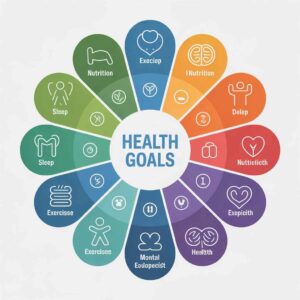
10 Science-Backed Health Goals for 2026
1. Sleep Optimization (7-9 Hours)
The Science: Recent research has elevated sleep from a wellness luxury to a critical health necessity. A 2026 study found that insufficient sleep has a stronger correlation to life expectancy than diet or exercise—more than any other factor except smoking. Short sleep duration (less than 7 hours per night) was associated with a 14% increase in mortality risk, while long sleep duration showed a 34% increase.
Sleep affects virtually every physiological system. During quality sleep, your body repairs tissues, consolidates memories, regulates hormones, and strengthens immune function. People who get the recommended amount of sleep are more likely to be flourishing, with 72% of people with good sleep health flourishing compared to 46% of people with poor sleep health.
Implementation Steps:
- Set a consistent sleep schedule, going to bed and waking up at the same time daily—yes, even on weekends
- Create an optimal sleep environment: cool (60-67°F), dark, and quiet
- Establish a wind-down routine 60-90 minutes before bed, dimming lights and avoiding screens
- Limit caffeine after 2 PM and alcohol within 3 hours of bedtime
- Get morning sunlight exposure to regulate your circadian rhythm
Tracking Methods: Use a sleep journal or wearable device to monitor sleep duration and quality. Track how you feel during the day—energy levels, mood, and cognitive performance—to understand your individual sleep needs.
2. Hydration Habits
The Science: Water comprises approximately 60% of your body weight and is essential for virtually every bodily function, including temperature regulation, nutrient transport, waste removal, joint lubrication, and cognitive performance. Even mild dehydration (1-2% body weight) can impair mood, concentration, and physical performance.
Individual water needs vary based on body size, activity level, climate, and overall health. The old "eight glasses a day" rule is overly simplistic. A better guideline is 30-35 ml per kilogram of body weight, adjusted for exercise and environmental factors. For most adults, this translates to approximately 2-3 liters daily.
Daily Strategies:
- Start each morning with 16-20 oz of water before coffee or breakfast
- Use a marked water bottle to track intake throughout the day
- Set hourly hydration reminders on your phone during work hours
- Eat water-rich foods like cucumbers, watermelon, oranges, and leafy greens
- Drink a glass of water before each meal
- Monitor urine color—pale yellow indicates adequate hydration
Benefits Timeline: Within days, you may notice improved energy levels and fewer headaches. Within weeks, skin appearance typically improves, and digestive function becomes more regular. Long-term benefits include better kidney function, improved cardiovascular health, and enhanced physical performance.
3. Daily Movement (Beyond Exercise)
The Science: Non-Exercise Activity Thermogenesis (NEAT) refers to all the calories you burn outside of formal exercise, eating, and sleeping. A 2026 global study found that sleeping around six to seven hours per night was associated with the highest step counts the following day, and that only about 13% of people globally consistently met both recommended sleep and activity level targets. NEAT can account for 15-30% of your daily energy expenditure and varies dramatically between individuals—sometimes by up to 2,000 calories daily.
The human body wasn't designed for prolonged sitting. Extended sedentary behavior, even with regular exercise, increases risks of cardiovascular disease, diabetes, certain cancers, and premature mortality. Breaking up sitting time with frequent movement provides metabolic benefits that a single workout cannot fully offset.
Integration Methods:
- Implement the "movement snack" approach: 2-3 minutes of activity every hour
- Take walking meetings whenever possible
- Park farther away and take stairs instead of elevators
- Set a timer to stand and stretch every 30-45 minutes
- Do bodyweight exercises during TV commercials or between work tasks
- Walk while taking phone calls
- Conduct "walking thinking sessions" for creative problem-solving
Desk Worker Solutions: Use a standing desk converter to alternate sitting and standing. Keep resistance bands at your desk for quick upper body exercises. Take your lunch break as a walking break. Consider under-desk ellipticals or bike pedals for gentle movement while working.

4. Stress Management
The Science: Chronic stress isn't just an uncomfortable feeling—it's a significant health threat. Prolonged stress activates the hypothalamic-pituitary-adrenal (HPA) axis, flooding your body with cortisol and other stress hormones. This prolonged activation contributes to cardiovascular disease, weakened immune function, digestive problems, sleep disturbances, weight gain (especially abdominal fat), anxiety, depression, and accelerated aging at the cellular level.
The World Health Organization now recognizes chronic stress as a global health epidemic, with significant economic and public health implications. However, stress management interventions have consistently demonstrated powerful protective effects across multiple health domains.
Evidence-Based Techniques:
- Mindfulness meditation: Even 10 minutes daily reduces cortisol levels and improves emotional regulation
- Deep breathing exercises: 4-7-8 breathing (inhale for 4, hold for 7, exhale for 8) activates the parasympathetic nervous system
- Progressive muscle relaxation: Systematically tensing and releasing muscle groups reduces physical tension
- Time in nature: 20-30 minutes in green spaces significantly lowers stress biomarkers
- Social connection: Meaningful relationships buffer against stress effects
- Physical activity: Exercise is one of the most effective stress management tools available
Daily Practices: Start your day with 5-10 minutes of deep breathing or meditation before checking your phone. Schedule "micro-breaks" throughout the day for brief relaxation. End your workday with a transition ritual that separates work stress from personal time. Practice saying "no" to non-essential commitments that overwhelm your capacity.
5. Nutrition Fundamentals
The Science: Despite endless diet trends, the fundamental principles of healthy eating remain remarkably consistent across research: emphasize whole, minimally processed foods; include plenty of vegetables, fruits, whole grains, lean proteins, and healthy fats; and limit ultra-processed foods, excessive added sugars, and unhealthy fats. The best diet is one you can maintain long-term while enjoying food and social eating experiences.
Restrictive diets typically fail not because of lack of willpower but because they're unsustainable and often nutritionally inadequate. Evidence consistently shows that moderate, balanced approaches focusing on food quality rather than extreme restriction produce the best long-term outcomes for both health and weight management.
Whole Foods Focus:
- Fill half your plate with vegetables at lunch and dinner
- Choose whole grains over refined grains most of the time
- Include lean protein sources at each meal to support satiety and muscle maintenance
- Incorporate healthy fats from nuts, seeds, avocados, olive oil, and fatty fish
- Prioritize home-cooked meals over restaurant and processed foods when possible
Portion Awareness: Use visual cues rather than obsessive calorie counting. A serving of protein should be roughly palm-sized, carbohydrates about a fist-sized portion, and fats approximately thumb-sized. Fill the remainder of your plate with non-starchy vegetables.
Sustainable Patterns: Eat when hungry, stop when satisfied (not stuffed). Eat slowly, without distractions, allowing 20 minutes for satiety signals to register. Don't label foods as "good" or "bad"—this promotes unhealthy relationships with food. Instead, think about making predominantly nourishing choices while allowing flexibility for enjoyment.
6. Mental Health Practices
The Science: Mental health is as critical as physical health, yet it often receives less attention and resources. The WHO estimates that depression and anxiety disorders cost the global economy approximately $1 trillion annually in lost productivity. However, mental health interventions consistently demonstrate remarkable returns on investment—both for individuals and society.
Prioritizing mental health isn't weakness or self-indulgence; it's essential health maintenance. Just as you'd address a physical injury or illness, addressing mental and emotional struggles is a sign of strength and self-awareness.
Therapy and Counseling Value: Professional mental health support provides evidence-based strategies for managing stress, anxiety, depression, relationship issues, and life transitions. Therapy isn't just for crisis situations—many people benefit from regular sessions as preventive care. Various therapeutic approaches (cognitive-behavioral therapy, acceptance and commitment therapy, dialectical behavior therapy, etc.) have strong research support for different concerns.
Mindfulness and Meditation: Consistent mindfulness practice has been shown to physically change brain structure, increasing gray matter in areas associated with learning, memory, and emotional regulation while decreasing it in the amygdala (the brain's fear center). Apps like Headspace, Calm, and Insight Timer offer guided practices for beginners.
Social Connection Importance: Loneliness and social isolation rival smoking and obesity as health risk factors. Strong social connections improve immune function, reduce inflammation, lower stress hormones, and increase longevity. Prioritize quality time with friends and family, join community groups aligned with your interests, and consider volunteering to build meaningful connections.
7. Preventive Health Screenings
The Science: Preventive healthcare focuses on detecting diseases early when they're most treatable, rather than waiting for symptoms to appear. Many serious conditions—including certain cancers, cardiovascular disease, diabetes, and others—develop silently for years before causing noticeable symptoms. In 2023, most adults were up to date with breast, cervical, and colorectal cancer screening, with estimates ranging from 67% to 80%, though one in five to one in three adults were not up to date.
Early detection dramatically improves outcomes. For example, colorectal cancer detected at early stages has a five-year survival rate exceeding 90%, compared to less than 15% when detected at advanced stages. Similarly, managing high blood pressure before it causes heart attack or stroke prevents irreversible organ damage.
Age-Appropriate Checkups:
- Ages 18-39: Annual wellness visits, blood pressure checks, cholesterol screening (if risk factors present), sexually transmitted infection testing (if sexually active)
- Ages 40-49: All of the above plus baseline cholesterol screening for everyone, diabetes screening (if overweight or risk factors), colorectal cancer screening starting at age 45, breast cancer screening discussion with healthcare provider
- Ages 50+: All of the above plus colorectal cancer screening for adults age 45 to 75, regular breast cancer screening, prostate cancer discussion (for men), bone density screening (for women at menopause), and lung cancer screening if smoking history
Scheduling Strategy: At the beginning of each year, schedule all necessary preventive care appointments for the entire year. Treat these appointments as non-negotiable commitments to your health. Most preventive services are covered by insurance without copays under the Affordable Care Act, eliminating cost as a barrier.
8. Strength Training
The Science: Resistance training may increase lean weight by 1.4 kg, increase resting metabolic rate by 7%, and reduce fat weight by 1.8 kg in just ten weeks. Beyond aesthetics, strength training provides profound health benefits across virtually every body system.
Metabolic Benefits: Resistance training may assist prevention and management of type 2 diabetes by decreasing visceral fat, reducing HbA1c, increasing the density of glucose transporter type 4, and improving insulin sensitivity. It also enhances cardiovascular health by reducing resting blood pressure and improving cholesterol profiles.
Bone Health: Weight-bearing resistance exercise is the most effective non-pharmaceutical intervention for maintaining and improving bone density. This becomes increasingly critical with age, especially for women post-menopause. Stronger bones mean reduced fracture risk and maintained independence throughout life.
Beginner Approaches:
- Start with bodyweight exercises: squats, push-ups (or wall push-ups), lunges, planks
- Learn proper form before adding weight—consider hiring a qualified personal trainer for initial sessions
- Begin with 2-3 sessions weekly, allowing rest days between workouts
- Focus on major muscle groups: legs, back, chest, shoulders, core
- Progress gradually, increasing difficulty only after mastering current level
- Prioritize consistency over intensity, especially when starting
9. Digital Wellness
The Science: Our 24/7 digital connectivity provides unprecedented information access and communication capabilities, but it also creates unique health challenges. A 2026 survey found that more than one-third of Americans (35%) occasionally or consistently sleep in a separate room from their partner due to issues like snoring, differing sleep schedules, and restlessness, while sleep anxiety emerges as a critical wellness challenge fueled by increasing digital dependency.
Excessive screen time, particularly before bed, suppresses melatonin production and delays sleep onset. Social media use correlates with increased anxiety, depression, and feelings of inadequacy. Constant digital interruptions fragment attention and reduce productivity. The average person checks their phone 58 times daily, with each interruption requiring 23 minutes to regain full focus.
Screen Time Management:
- Implement "no phone zones" in bedrooms and during meals
- Use screen time tracking features on devices to increase awareness
- Set specific times for checking email and social media rather than constant monitoring
- Remove non-essential notification badges and alerts
- Engage in "digital sunset" rituals, disconnecting from screens 1-2 hours before bed
Sleep Hygiene: Keep all screens out of the bedroom. If using devices in the evening, enable blue light filters or night mode. Consider blue-light blocking glasses if evening screen use is unavoidable. Charge phones in another room to prevent middle-of-night checking.
Mental Health Boundaries: Curate your social media feeds to include only accounts that inspire, educate, or bring genuine joy. Unfollow accounts that trigger comparison, anxiety, or negativity. Schedule regular "digital detox" periods—weekends, vacations, or even full days monthly—to reset your relationship with technology.
10. Consistency Over Perfection
The Science: The "all-or-nothing" perfectionist approach to health goals consistently predicts failure, while a flexible, sustainable approach predicts long-term success. Research on habit formation shows that missing occasional instances of a behavior doesn't significantly impact long-term habit development, but abandoning the behavior entirely obviously does.
The 80/20 principle suggests that you can achieve approximately 80% of optimal health outcomes by maintaining healthy behaviors 80% of the time, with 20% flexibility. This approach is both more realistic and more sustainable than attempting perfection, which inevitably leads to guilt, frustration, and eventual abandonment when (not if) you fall short.
80/20 Rule Application: Make predominantly healthy choices throughout your week while allowing flexibility for special occasions, social events, and simple enjoyment. If you aim for perfection with zero margin for error, you'll likely maintain it for days or weeks before exhaustion sets in. If you build realistic flexibility into your lifestyle, you'll sustain it for months and years.
Progress Tracking: Document your journey with photos, measurements, fitness performance, lab values, and subjective feelings. Review progress monthly rather than daily or weekly—meaningful changes take time. Celebrate non-scale victories: improved energy, better sleep, enhanced mood, increased strength, more comfortable clothing fit.
Self-Compassion: Speak to yourself as you would a good friend. When you make a less-than-ideal choice, acknowledge it without judgment and simply return to your healthy habits at the next opportunity. Self-criticism and shame undermine motivation and increase stress hormones, making healthy choices more difficult. Self-compassion, paradoxically, predicts better long-term adherence to health goals.
Tracking Progress: Measuring What Matters
Effective progress tracking provides motivation, accountability, and valuable feedback about what's working (and what isn't). However, not all metrics deserve equal attention, and excessive tracking can become counterproductive.
Effective Measurement Methods:
- Physical metrics: Weight (weekly, not daily), body measurements (monthly), progress photos (monthly), fitness performance markers (strength, endurance, flexibility)
- Health markers: Blood pressure, resting heart rate, blood work (annual), sleep quality, energy levels
- Behavioral metrics: Workout frequency, daily steps, water intake, vegetable servings, screen time
- Subjective assessments: Mood, stress levels, confidence, overall life satisfaction
Apps and Tools: Consider using dedicated apps for specific goals—MyFitnessPal or Cronometer for nutrition, Strong or JEFIT for strength training, Headspace or Calm for meditation, Sleep Cycle or Fitbit for sleep tracking. However, avoid becoming overwhelmed with too many tracking systems.
Journaling Benefits: A simple daily journal noting what you did well, challenges you faced, and how you're feeling provides powerful insights over time. Journaling also increases accountability and helps identify patterns in your behavior.
Adjusting Goals: Review your goals quarterly. If you're consistently meeting a goal with ease, it may be time to increase the challenge. If you're consistently falling short despite genuine effort, the goal may be unrealistic and needs adjustment. Flexibility and adaptation aren't failure—they're wisdom.
Expert Insights: What the Professionals Recommend
Healthcare professionals emphasize that sustainable health improvement requires patience and realistic expectations. Dr. John Epperly of Peak Vista states that significant accomplishments require both time and dedication, and that with persistence and a structured approach, you can successfully reach your goals.
Behavioral health experts recommend the SMART goal framework: Specific, Measurable, Achievable, Relevant, and Time-bound. Vague goals like "get healthier" provide no direction. Specific goals like "walk 30 minutes five days per week" create clear action steps.
Nutrition professionals consistently advise against extreme dietary restrictions. Registered dietitians emphasize food quality, portion awareness, and mindful eating over rigid rules or elimination diets. The most effective nutrition approach is one that improves your overall diet quality while remaining enjoyable and sustainable.
Fitness experts stress that the best exercise program is the one you'll actually maintain. Rather than pursuing the "optimal" workout plan, focus on activities you enjoy and can realistically fit into your schedule. Consistency trumps intensity for long-term health outcomes.
Sleep specialists note that quality matters as much as quantity. Prioritizing sleep shouldn't be viewed as lazy or unproductive—it's one of the most impactful health behaviors available. Andrew McHill, Ph.D., states "People really should strive to get seven to nine hours of sleep if at all possible".
Resources & Tools for Success
Tracking Apps:
- Nutrition: MyFitnessPal, Cronometer, Noom
- Fitness: Fitbit, Apple Health, Strava, Strong, Nike Training Club
- Sleep: Sleep Cycle, Fitbit, Oura Ring
- Meditation: Headspace, Calm, Insight Timer, Ten Percent Happier
- Habit Building: Habitica, Streaks, Done, HabitShare
Professional Services:
- Primary care physician for preventive health and screening coordination
- Registered dietitian for personalized nutrition guidance
- Certified personal trainer for exercise programming and technique
- Licensed mental health professional for therapy and counseling
- Health coach for overall lifestyle change support and accountability
Community Support: Consider joining local or online communities aligned with your health goals—running groups, fitness classes, healthy cooking meetups, meditation circles. Social support significantly increases adherence and makes the journey more enjoyable.
Further Reading: Excellent evidence-based resources include the CDC's health promotion materials, National Institutes of Health consumer health information, American Heart Association guidelines, Academy of Nutrition and Dietetics resources, and National Sleep Foundation recommendations.
Frequently Asked Question:
Q1: How long does it take to form a healthy habit? A: Research shows 21-66 days depending on complexity. Start simple, be consistent, and focus on daily repetition. Most people solidify habits within 2-3 months.
Q2: Should I tackle all health goals at once? A: No. Start with 1-2 goals maximum. Master those before adding more. Gradual progression prevents overwhelm and increases long-term success rates significantly.
Q3: What if I miss a day with my health goals? A: One missed day doesn't matter. Return immediately without guilt. Consistency over time matters more than perfection. Build resilience by restarting quickly after setbacks.
Q4: Do I need a gym membership to get healthy? A: Absolutely not. Walking, bodyweight exercises, and home workouts are highly effective. Focus on consistent movement and proper nutrition before expensive gym commitments.
Q5: How do I stay motivated beyond January? A: Set specific measurable goals, track visible progress, find accountability partners, celebrate small wins, and connect habits to deeper personal values and identity.
Conclusion: Your Health Journey Starts Today
January 1st feels like a magical fresh start, but the truth is that any day can be the beginning of positive change. You don't need to wait for Monday, or next month, or perfect circumstances. You simply need to start—and then start again tomorrow, and the day after that.
The health goals 2026 outlined in this article aren't trendy or revolutionary. They're backed by decades of scientific research demonstrating what actually works for long-term health improvement. Sleep adequately. Move regularly. Eat predominantly whole foods. Manage your stress. Prioritize your mental health. Stay connected to others. Get appropriate preventive care. Build strength. Set digital boundaries. Be consistent without demanding perfection.
Remember that small steps compound into significant transformations. You don't need to implement all ten goals simultaneously. Choose one or two that resonate most strongly with your current needs and circumstances. Master those before adding others. Progress isn't about perfection—it's about direction.
Your health is the foundation upon which everything else in your life is built. It deserves your attention, investment, and consistent effort. The evidence-based strategies in this article work—but only if you work them.
Make 2026 your healthiest year not through dramatic New Year's resolutions, but through small, sustainable choices repeated daily. Your future self will thank you.
Ready to dive deeper into evidence-based wellness strategies? Visit Findsfy.com for comprehensive health guides, expert interviews, practical meal plans, workout programs, and a supportive community committed to sustainable health transformation.